In today’s rapidly evolving world, the concept of a “global workforce” is no longer limited to multinational corporations or international organizations. Thanks to digital transformation, remote work, and interconnected economies, professionals from different corners of the world collaborate daily across borders. As a result, higher education institutions play a crucial role in equipping students with the knowledge, skills, and mindset necessary to thrive in this dynamic environment.
Higher education is no longer just about earning a degree; it is about preparing individuals to adapt, innovate, and succeed in a competitive global market. This article explores how higher education prepares students for the global workforce, highlighting the essential skills, experiences, and opportunities that shape globally competent professionals.
The Changing Nature of the Global Workforce
The global workforce has undergone significant changes over the past few decades. Advances in technology, globalization of businesses, and the rise of remote work have reshaped how people work and collaborate.
Key Trends Influencing the Workforce
- Digital Transformation
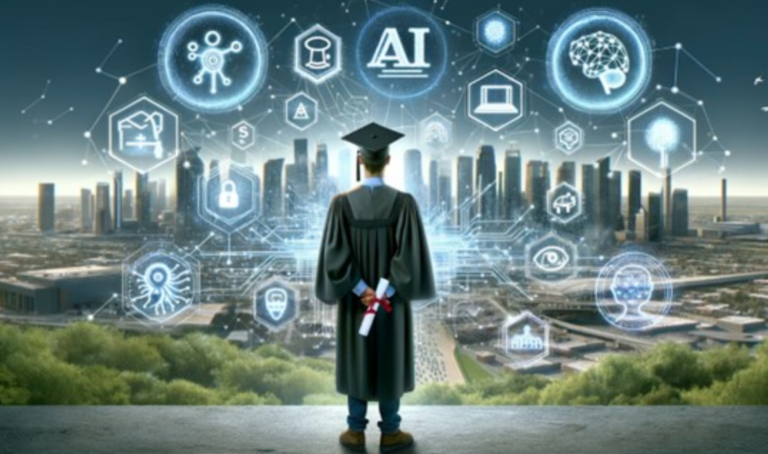
Automation, artificial intelligence, and cloud computing have transformed industries, requiring workers to be tech-savvy and adaptable. - Cross-Border Collaboration
Teams are often composed of members from different countries, requiring strong communication and cultural understanding. - Remote Work Culture
Professionals now work from anywhere, making flexibility and self-management critical skills. - Demand for Lifelong Learning
Skills quickly become outdated, making continuous education essential for career growth.
Higher education institutions recognize these trends and design their programs to align with the needs of a globalized economy.
Development of Critical Thinking Skills
One of the most valuable contributions of higher education is the development of critical thinking. Students are trained to analyze complex problems, evaluate evidence, and make informed decisions.
Why Critical Thinking Matters
In a global workforce, professionals encounter diverse challenges that require innovative solutions. Critical thinking enables individuals to:
- Assess situations from multiple perspectives
- Solve complex, real-world problems
- Make strategic decisions under pressure
How Universities Foster Critical Thinking
- Research-Based Learning: Students engage in research projects that require analysis and evaluation.
- Case Studies: Real-world scenarios encourage problem-solving and decision-making.
- Debates and Discussions: These activities promote diverse viewpoints and logical reasoning.
By cultivating these skills, higher education ensures that graduates can navigate complex global challenges effectively.
Enhancing Communication Skills
Effective communication is essential in a global workforce, where language barriers and cultural differences can create misunderstandings.
Types of Communication Skills Developed
- Verbal Communication
Presentations, group discussions, and public speaking activities help students articulate ideas clearly. - Written Communication
Essays, reports, and research papers improve clarity and professionalism in writing. - Digital Communication
Email etiquette, virtual collaboration tools, and online communication are increasingly emphasized.
Importance in a Global Context
Strong communication skills enable professionals to:
- Collaborate with international teams
- Build relationships across cultures
- Convey ideas effectively in diverse environments
Higher education institutions often include communication training as a core component of their curricula.
Building Cultural Awareness and Global Perspective
Cultural competence is a key requirement in today’s workforce. Understanding and respecting cultural differences can significantly enhance collaboration and productivity.
How Higher Education Promotes Cultural Awareness
- Diverse Campus Environments
Students interact with peers from different backgrounds, fostering mutual understanding. - Study Abroad Programs
Exposure to different cultures broadens perspectives and enhances adaptability. - Global Curriculum
Courses often include international case studies and global issues.
Benefits for Students
- Improved ability to work in multicultural teams
- Greater empathy and respect for diversity
- Enhanced adaptability in unfamiliar environments
Cultural awareness not only improves workplace relationships but also drives innovation by incorporating diverse perspectives.
Development of Technical and Professional Skills
Higher education equips students with both technical expertise and professional competencies required in their chosen fields.
Technical Skills
These are discipline-specific skills that students gain through coursework and practical training. Examples include:
- Engineering and programming skills
- Data analysis and research techniques
- Industry-specific tools and software
Professional Skills (Soft Skills)
In addition to technical knowledge, universities emphasize soft skills such as:
- Leadership
- Teamwork
- Time management
- Problem-solving
Integration of Skills
Modern education integrates technical and soft skills through:
- Internships
- Capstone projects
- Collaborative assignments
This combination ensures that graduates are job-ready and capable of performing effectively in real-world environments.
Encouraging Adaptability and Resilience
The global workforce is unpredictable, with constant changes in technology, markets, and job roles. Adaptability and resilience are therefore essential traits.
Role of Higher Education
Higher education fosters adaptability by:
- Encouraging independent learning
- Exposing students to diverse challenges
- Promoting innovation and creativity
Learning Through Challenges
Students often face:
- Tight deadlines
- Complex assignments
- Group conflicts
These experiences help them develop resilience, preparing them to handle workplace pressures and uncertainties.
Opportunities for Experiential Learning
Experiential learning bridges the gap between theoretical knowledge and practical application.
Types of Experiential Learning
- Internships
Provide real-world experience and industry exposure. - Co-op Programs
Combine academic study with professional work experience. - Project-Based Learning
Students work on real-life problems, often in collaboration with companies. - Simulations and Labs
Offer hands-on practice in controlled environments.
Benefits
- Enhanced employability
- Better understanding of industry expectations
- Development of practical skills
Employers value candidates with hands-on experience, making experiential learning a crucial component of higher education.
Networking and Professional Connections
Higher education provides a platform for students to build valuable professional networks.
Networking Opportunities
- Alumni associations
- Career fairs
- Industry events
- Guest lectures
Importance of Networking
Strong networks can:
- Open job opportunities
- Provide mentorship
- Facilitate career growth
Students who actively engage in networking are better positioned to succeed in the global workforce.
Exposure to Global Issues and Challenges
Higher education introduces students to global challenges such as climate change, economic inequality, and technological disruption.
Curriculum Integration
Courses often address:
- International business practices
- Global economics
- Environmental sustainability
- Social responsibility
Impact on Students
- Increased awareness of global issues
- Ability to think beyond local perspectives
- Motivation to contribute to global solutions
This exposure prepares students to become responsible global citizens.
Promoting Innovation and Entrepreneurship
Innovation is a key driver of success in the global economy. Higher education encourages students to think creatively and develop entrepreneurial skills.
How Institutions Support Innovation
- Innovation labs and incubators
- Entrepreneurship courses
- Startup competitions
Benefits for Students
- Ability to create new solutions
- Confidence to take risks
- Skills to start and manage businesses
Entrepreneurial thinking is valuable not only for startups but also within established organizations.
Emphasis on Lifelong Learning
The global workforce demands continuous skill development. Higher education instills the importance of lifelong learning.
Key Aspects
- Self-directed learning
- Continuous skill upgrading
- Adaptation to new technologies
Role of Universities
Institutions promote lifelong learning by:
- Encouraging curiosity
- Providing access to resources
- Offering flexible learning options
Graduates who embrace lifelong learning remain competitive in an ever-changing job market.
Integration of Technology in Education
Technology plays a significant role in preparing students for the global workforce.
Tools and Platforms
- Online learning systems
- Virtual collaboration tools
- Digital research databases
Benefits
- Familiarity with digital tools
- Improved remote collaboration skills
- Access to global resources
Technology-enhanced learning ensures that students are ready for modern workplaces.
Preparing for Global Careers
Higher education provides guidance and resources to help students pursue international careers.
Career Support Services
- Resume and interview preparation
- Job placement assistance
- Career counseling
International Opportunities
- Exchange programs
- Global internships
- International job placements
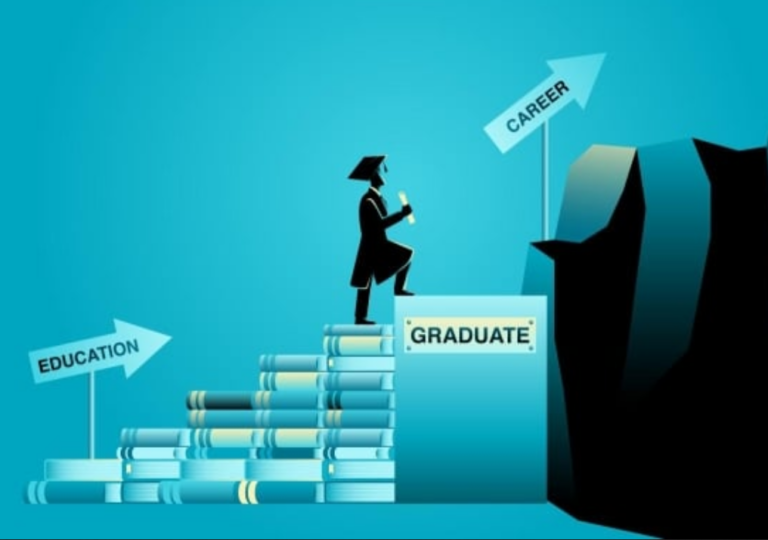
These resources help students transition smoothly from education to employment.
Challenges and Areas for Improvement
While higher education plays a vital role, there are challenges that need to be addressed.
Common Challenges
- Skill Gaps
Some graduates lack practical skills required by employers. - High Costs
Access to quality education can be limited by financial constraints. - Rapid Technological Changes
Curricula may struggle to keep up with industry advancements.
Potential Solutions
- Stronger industry partnerships
- More focus on practical training
- Increased access to affordable education
Addressing these challenges will further enhance the role of higher education in preparing students for the global workforce.
Conclusion
Higher education is a powerful foundation for success in the global workforce. It equips students with critical thinking, communication, technical expertise, cultural awareness, and adaptability—skills that are essential in today’s interconnected world.
Beyond academic knowledge, higher education provides experiential learning, networking opportunities, and exposure to global issues, shaping well-rounded individuals who can thrive in diverse environments. While challenges remain, continuous innovation in education will ensure that future graduates are prepared to meet the demands of a rapidly changing global economy.
Ultimately, higher education is not just about preparing students for jobs—it is about preparing them for meaningful, impactful careers in a global society.