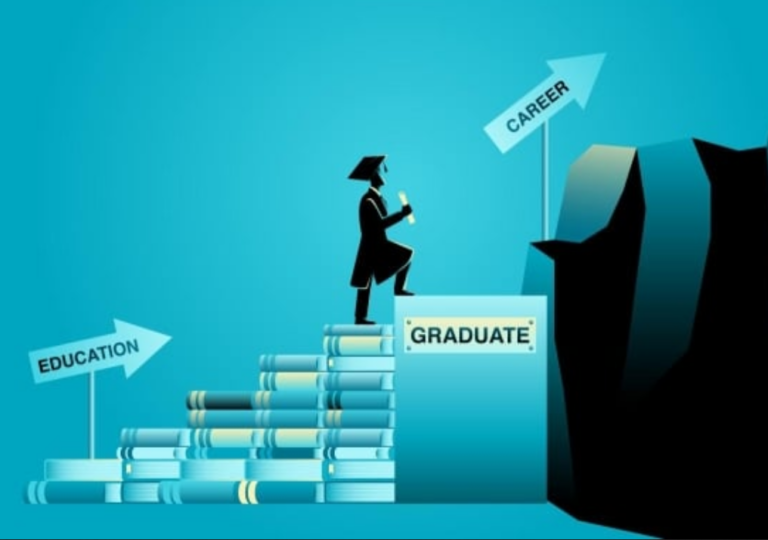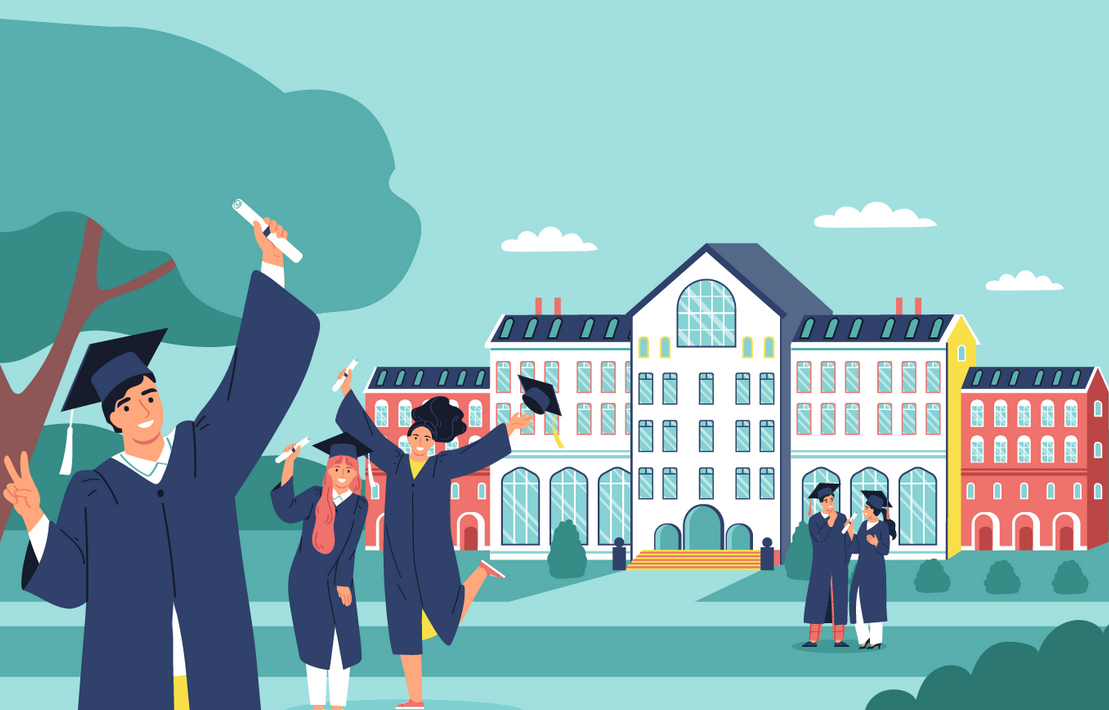
Higher education is often associated with career preparation, job opportunities, and academic achievement. While these outcomes are undeniably important, they only represent part of the broader value that higher education offers. Beyond degrees and diplomas, higher education plays a crucial role in shaping individuals on a personal level. It nurtures self-awareness, builds confidence, enhances communication skills, and fosters lifelong learning habits.
In today’s fast-changing world, personal development is just as essential as professional growth. Employers increasingly seek individuals who are adaptable, emotionally intelligent, and capable of critical thinking. Higher education environments provide the perfect foundation for cultivating these traits. This article explores how higher education supports personal development, examining the various ways it helps individuals grow intellectually, emotionally, socially, and ethically.
1. Building Self-Awareness and Identity
One of the most significant ways higher education supports personal development is by helping students understand themselves better. During their academic journey, students are exposed to new ideas, perspectives, and experiences that challenge their existing beliefs.
Discovering Personal Interests
In higher education, students often have the flexibility to explore different subjects before specializing. This exploration helps them discover their passions and interests. Whether it’s literature, science, business, or the arts, students learn what excites and motivates them.
Understanding Strengths and Weaknesses
Through coursework, exams, and projects, students gain insights into their abilities. They learn where they excel and where they need improvement. This self-awareness is crucial for setting realistic goals and making informed decisions about their future.
Developing Personal Values
Exposure to diverse cultures, opinions, and philosophies encourages students to reflect on their own values. They begin to define what matters most to them, shaping their personal identity.
2. Enhancing Critical Thinking Skills
Higher education emphasizes critical thinking, which is essential for both personal and professional success. Students are encouraged to question assumptions, analyze information, and develop reasoned arguments.
Analytical Thinking
Students learn how to evaluate evidence, identify biases, and draw logical conclusions. These skills enable them to make better decisions in everyday life.
Problem-Solving Abilities
Assignments and real-world case studies challenge students to solve complex problems. This not only improves their intellectual capacity but also boosts confidence in handling difficult situations.
Independent Thinking
Higher education encourages students to form their own opinions rather than relying solely on others. This independence fosters a sense of autonomy and self-reliance.
3. Improving Communication Skills
Effective communication is a cornerstone of personal development, and higher education provides numerous opportunities to develop this skill.
Verbal Communication
Class discussions, presentations, and group work help students articulate their thoughts clearly and confidently. They learn how to express ideas in a structured and persuasive manner.
Written Communication
Essays, reports, and research papers enhance writing skills. Students learn how to organize information logically and communicate effectively through written language.
Active Listening
Interacting with peers and professors teaches students the importance of listening. Understanding different viewpoints improves empathy and collaboration.
4. Building Confidence and Self-Esteem
Higher education challenges students to step out of their comfort zones, which is essential for building confidence.
Academic Achievements
Completing assignments, passing exams, and earning degrees provide a sense of accomplishment. These achievements boost self-esteem and motivate students to pursue further goals.
Overcoming Challenges
Students face various challenges, such as tight deadlines, difficult subjects, and social adjustments. Successfully navigating these challenges builds resilience and confidence.
Public Speaking Opportunities
Presentations and group discussions help students overcome fear of speaking in public, a skill that is valuable in many aspects of life.
5. Developing Social Skills and Relationships
Higher education is not just about academics; it is also a social experience that contributes significantly to personal growth.
Networking Opportunities
Students meet people from diverse backgrounds, forming connections that can last a lifetime. These relationships can provide support, inspiration, and career opportunities.
Teamwork and Collaboration
Group projects teach students how to work effectively with others. They learn to manage conflicts, share responsibilities, and achieve common goals.
Cultural Awareness
Interacting with individuals from different cultures broadens perspectives and fosters inclusivity. Students become more open-minded and respectful of diversity.
6. Encouraging Independence and Responsibility
Higher education often marks the transition from adolescence to adulthood. Students are expected to take responsibility for their own learning and decisions.
Time Management
Balancing classes, assignments, and social activities requires effective time management. Students learn to prioritize tasks and meet deadlines.
Financial Responsibility
Many students manage their own finances for the first time, including budgeting and handling expenses. This experience prepares them for future financial independence.
Decision-Making Skills
From choosing courses to planning careers, students make important decisions that shape their future. This process enhances their ability to think critically and act responsibly.
7. Fostering Emotional Intelligence
Emotional intelligence is the ability to understand and manage one’s emotions and empathize with others. Higher education plays a key role in developing this skill.
Self-Regulation
Students learn to cope with stress, manage emotions, and stay focused under pressure. These abilities are essential for maintaining mental well-being.
Empathy and Understanding
Interacting with diverse individuals helps students understand different perspectives and develop empathy.
Conflict Resolution
Group work and social interactions teach students how to handle disagreements constructively.
8. Promoting Lifelong Learning
Higher education instills a love for learning that extends beyond the classroom.
Curiosity and Exploration
Students are encouraged to ask questions and seek knowledge. This curiosity drives continuous personal growth.
Adaptability
In a rapidly changing world, the ability to learn and adapt is crucial. Higher education equips students with the skills to stay relevant.
Continuous Self-Improvement
Graduates often pursue further education, certifications, or self-directed learning to enhance their skills and knowledge.
9. Encouraging Ethical and Moral Development
Higher education helps students develop a strong sense of ethics and responsibility.
Understanding Ethical Issues
Courses and discussions often address ethical dilemmas, encouraging students to think about right and wrong.
Social Responsibility
Students become more aware of societal issues and their role in addressing them. This awareness fosters a sense of responsibility toward the community.
Integrity and Accountability
Academic policies emphasize honesty and accountability, shaping students’ moral character.
10. Preparing for Real-World Challenges
Higher education bridges the gap between academic knowledge and real-world application.
Practical Experience
Internships, projects, and research opportunities provide hands-on experience. Students learn how to apply theoretical knowledge in practical settings.
Career Readiness
Beyond technical skills, students develop soft skills such as communication, teamwork, and adaptability, which are essential in the workplace.
Resilience and Adaptability
Facing academic and personal challenges prepares students to handle uncertainties in life.
11. Expanding Global Perspectives
In an increasingly interconnected world, global awareness is a key aspect of personal development.
Exposure to Global Issues
Students learn about international challenges such as climate change, economic inequality, and cultural diversity.
Study Abroad Opportunities
Many institutions offer programs that allow students to experience different cultures and educational systems.
Cross-Cultural Communication
Understanding global perspectives enhances communication and collaboration across cultures.
12. Supporting Mental and Personal Well-Being
Higher education institutions often provide resources to support students’ mental health and well-being.
Counseling Services
Students have access to professional support for managing stress, anxiety, and other challenges.
Extracurricular Activities
Clubs, sports, and organizations provide opportunities for relaxation, creativity, and social engagement.
Work-Life Balance
Learning to balance academic responsibilities with personal life is a valuable skill for long-term well-being.
Conclusion
Higher education is much more than a pathway to employment; it is a transformative journey that shapes individuals in profound ways. From building self-awareness and confidence to fostering critical thinking and emotional intelligence, higher education plays a vital role in personal development.
The experiences gained during this phase of life prepare individuals not only for careers but also for meaningful and fulfilling lives. By promoting independence, encouraging lifelong learning, and nurturing ethical values, higher education equips students with the tools they need to navigate the complexities of the modern world.
Ultimately, the true value of higher education lies in its ability to help individuals grow into well-rounded, thoughtful, and capable human beings. Whether in personal relationships, professional environments, or societal contributions, the impact of higher education on personal development is both lasting and transformative.