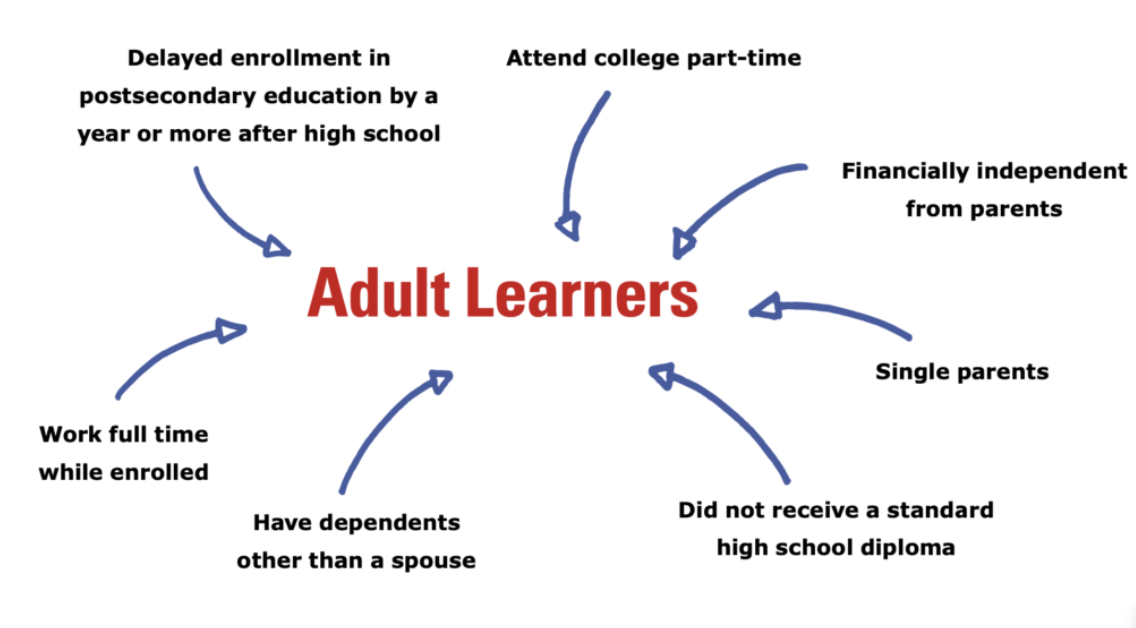
Higher education is no longer limited to recent high school graduates. Across the globe, a growing number of adults are returning to school to pursue degrees, certifications, or new skills. These adult learners—often defined as individuals aged 25 and older—bring unique experiences, motivations, and challenges to the academic environment.
Whether driven by career advancement, personal fulfillment, or the need to adapt to a rapidly changing job market, adult learners are reshaping the landscape of higher education. However, their journey is not without obstacles. Balancing work, family responsibilities, and academic commitments can be demanding, and traditional educational systems are not always designed with their needs in mind.
This article explores the opportunities and challenges associated with higher education for adult learners, offering insights into how institutions and individuals can maximize success in this evolving educational space.
Who Are Adult Learners?
Adult learners are a diverse group. They include:
- Working professionals seeking career advancement
- Parents returning to education after raising children
- Individuals changing careers
- Lifelong learners pursuing personal interests
- Retirees exploring new academic pursuits
Unlike traditional students, adult learners often have clear goals and practical motivations. They are typically more focused, disciplined, and outcome-oriented, which can contribute positively to their academic performance.
Why Adult Learners Pursue Higher Education
1. Career Advancement
One of the primary motivations for adult learners is career growth. Many jobs today require advanced degrees or specialized skills. Returning to school allows individuals to qualify for promotions, increase their earning potential, or transition into higher-paying roles.
2. Career Change
The modern job market is dynamic, and many professionals find themselves needing to switch careers. Higher education provides the necessary knowledge and credentials to enter new industries such as technology, healthcare, or business management.
3. Skill Development
Technological advancements and globalization have created a demand for continuous learning. Adult learners often return to school to acquire new skills, stay relevant, and remain competitive in their fields.
4. Personal Fulfillment
For some, higher education is about achieving personal goals. Completing a degree or mastering a subject can provide a sense of accomplishment and boost self-confidence.
Opportunities in Higher Education for Adult Learners
1. Flexible Learning Options
Modern educational institutions offer a wide range of flexible learning formats, including:
- Online courses
- Hybrid programs (combining online and in-person learning)
- Evening and weekend classes
These options make it easier for adult learners to balance their studies with work and family commitments.
2. Recognition of Prior Learning
Many universities now recognize prior work experience and informal learning. This can translate into academic credits, reducing the time and cost required to complete a degree.
3. Diverse Program Offerings
Adult learners can choose from a variety of programs tailored to their needs, such as:
- Professional certifications
- Executive education programs
- Part-time degree programs
These programs are often designed with practical applications in mind, making them highly relevant to real-world situations.
4. Networking Opportunities
Returning to school provides access to a network of peers, instructors, and industry professionals. These connections can lead to job opportunities, mentorship, and collaborations.
5. Technological Advancements
Digital tools and platforms have transformed the learning experience. Adult learners can access lectures, resources, and assignments from anywhere, making education more accessible than ever before.
Challenges Faced by Adult Learners
1. Time Management
Balancing multiple responsibilities is one of the biggest challenges for adult learners. Many juggle full-time jobs, family obligations, and academic workloads, leaving little room for rest or leisure.
2. Financial Constraints
Higher education can be expensive. Adult learners often have additional financial responsibilities, such as mortgages, childcare, and daily living expenses. This makes it harder to invest in education.
3. Technological Barriers
While technology enables flexible learning, it can also be a hurdle. Some adult learners may struggle with digital tools, online platforms, or virtual communication.
4. Academic Readiness
Returning to school after a long break can be intimidating. Adult learners may feel unprepared for academic writing, research, or exams, especially if they have been out of the educational system for years.
5. Lack of Support Systems
Not all adult learners have access to strong support networks. Without encouragement from family, employers, or peers, it can be difficult to stay motivated and committed.
6. Institutional Limitations
Some educational institutions still operate with traditional models that do not accommodate adult learners effectively. Rigid schedules, lack of childcare facilities, and limited financial aid options can create barriers.
Strategies for Success as an Adult Learner
1. Set Clear Goals
Having a clear purpose helps maintain motivation. Whether it’s earning a promotion, switching careers, or achieving personal growth, defining goals provides direction and focus.
2. Develop Time Management Skills
Creating a structured schedule is essential. Prioritize tasks, set deadlines, and allocate specific time slots for studying, work, and family activities.
3. Leverage Support Systems
Seek support from family, friends, and colleagues. Inform them about your academic commitments so they can provide encouragement and assistance when needed.
4. Utilize Campus Resources
Many institutions offer resources such as:
- Academic advising
- Tutoring services
- Career counseling
- Technical support
Taking advantage of these services can enhance the learning experience.
5. Embrace Technology
Familiarize yourself with digital tools and platforms used in your program. Online tutorials and training sessions can help build confidence and competence.
6. Practice Self-Care
Maintaining physical and mental well-being is crucial. Ensure adequate rest, exercise regularly, and manage stress effectively to avoid burnout.
How Institutions Can Support Adult Learners
1. Flexible Program Design
Universities should offer flexible schedules, modular courses, and online learning options to accommodate diverse needs.
2. Financial Assistance
Providing scholarships, grants, and payment plans can make education more accessible for adult learners.
3. Career-Oriented Curriculum
Programs should focus on practical skills and real-world applications, ensuring that learners can immediately apply their knowledge in the workplace.
4. Inclusive Learning Environment
Creating a supportive and inclusive environment encourages adult learners to participate actively and feel valued.
5. Technology Training
Offering training sessions and technical support helps bridge the digital divide and ensures that all students can succeed.
The Role of Employers in Supporting Adult Learners
Employers play a significant role in facilitating higher education for adult learners. Organizations can:
- Offer tuition reimbursement programs
- Provide flexible work schedules
- Encourage continuous learning and professional development
- Recognize and reward academic achievements
By investing in employee education, companies benefit from a more skilled and motivated workforce.
The Impact of Higher Education on Adult Learners
1. Career Growth
Earning a degree or certification can open doors to new opportunities, promotions, and higher salaries.
2. Personal Development
Adult learners often experience increased confidence, improved critical thinking skills, and a broader perspective on life.
3. Social Mobility
Education can serve as a pathway to improved socioeconomic status, enabling individuals to achieve financial stability and security.
4. Lifelong Learning Mindset
Returning to school fosters a culture of continuous learning, which is essential in today’s rapidly changing world.
Future Trends in Adult Education
1. Micro-Credentials and Short Courses
Short, focused programs are gaining popularity. These allow learners to acquire specific skills quickly without committing to long-term degrees.
2. Online and Remote Learning
The demand for online education continues to grow, making learning more accessible and flexible.
3. Personalized Learning Paths
Advancements in technology enable customized learning experiences tailored to individual needs and goals.
4. Collaboration with Industry
Educational institutions are increasingly partnering with industries to ensure that programs align with market demands.
Conclusion
Higher education for adult learners offers immense opportunities for growth, transformation, and success. While the journey can be challenging, the rewards often outweigh the obstacles. With the right strategies, support systems, and institutional frameworks, adult learners can achieve their academic and professional goals.
As the world continues to evolve, the importance of lifelong learning becomes more evident. Adult learners are not just participants in higher education—they are pioneers shaping its future. By embracing flexibility, leveraging technology, and fostering supportive environments, both individuals and institutions can unlock the full potential of adult education.