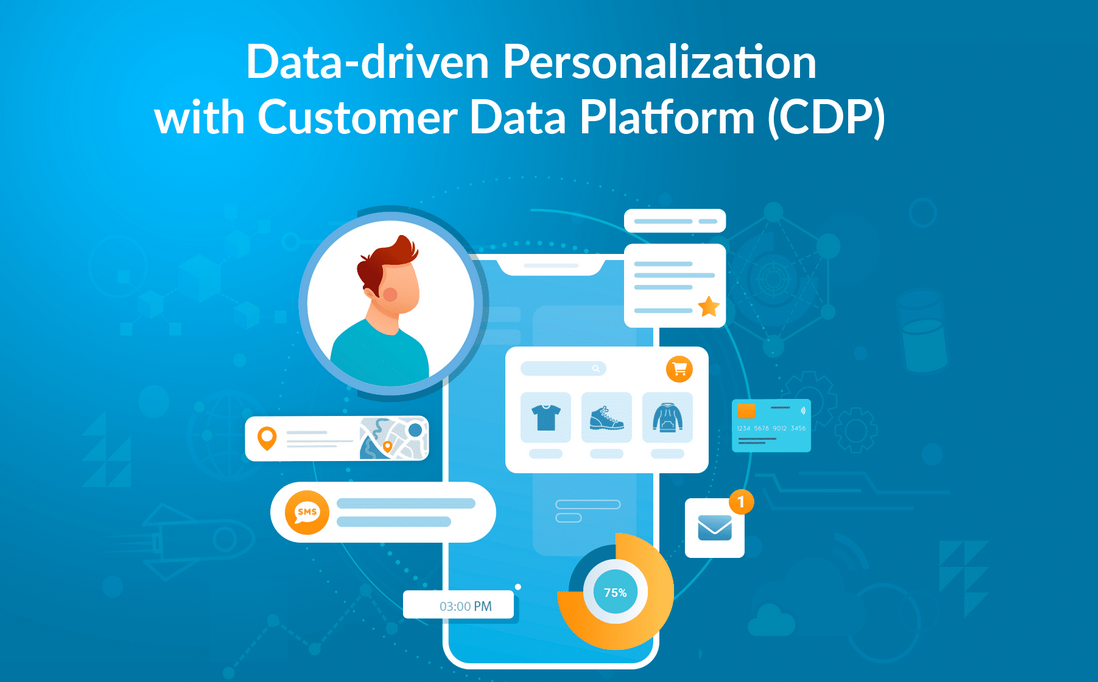
In today’s digital economy, customer expectations are higher than ever. Consumers demand fast, seamless, and highly personalized interactions across every touchpoint—from websites and mobile apps to customer service channels and social media. Businesses that fail to meet these expectations risk losing customers to competitors who can deliver more tailored experiences.
This is where Big Data plays a transformative role. By leveraging massive volumes of structured and unstructured data, companies can gain deep insights into customer behavior, preferences, and needs. These insights allow organizations to create highly personalized experiences that drive engagement, loyalty, and revenue growth.
In this comprehensive guide, we will explore how Big Data improves customer experience and personalization, the technologies behind it, real-world applications, benefits, challenges, and future trends.
What Is Big Data?
Big Data refers to extremely large datasets that are too complex to be processed using traditional data processing tools. It is typically defined by the “3 Vs”:
- Volume – Massive amounts of data generated daily
- Velocity – The speed at which data is created and processed
- Variety – Different types of data (text, images, videos, logs, etc.)
Additional characteristics include:
- Veracity – Data accuracy and reliability
- Value – The ability to extract meaningful insights
Companies like Amazon, Netflix, and Google rely heavily on Big Data to optimize customer experiences at scale.
The Connection Between Big Data and Customer Experience
Customer experience (CX) encompasses every interaction a customer has with a brand. Big Data enhances CX by enabling businesses to:
- Understand customer behavior in real time
- Predict future actions and preferences
- Deliver personalized content and recommendations
- Optimize customer journeys across channels
Without Big Data, personalization would be limited to basic segmentation. With it, businesses can create hyper-personalized experiences tailored to individual users.
How Big Data Enables Personalization
1. Customer Segmentation at a Deeper Level
Traditional segmentation groups customers based on basic demographics like age, gender, or location. Big Data takes this further by analyzing:
- Browsing behavior
- Purchase history
- Social media activity
- Device usage patterns
This allows businesses to create micro-segments or even treat each customer as a unique individual.
For example, an e-commerce platform can identify:
- Frequent buyers
- Discount seekers
- High-value customers
Each group receives customized offers and experiences.
2. Real-Time Personalization
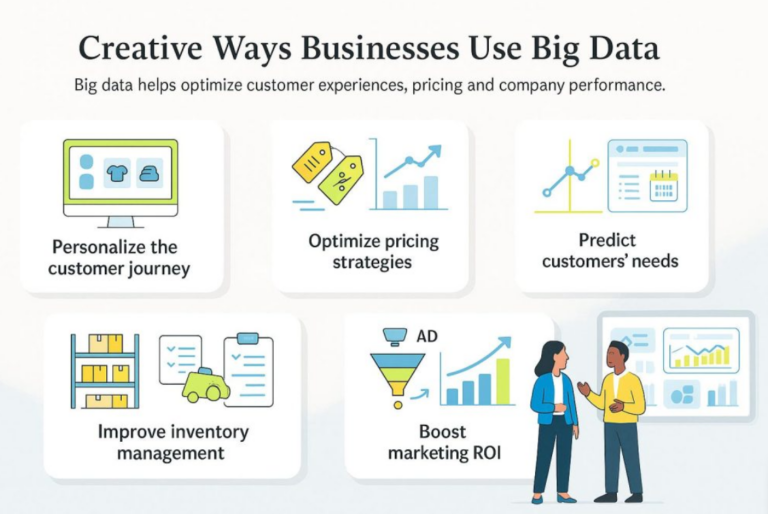
One of the most powerful applications of Big Data is real-time personalization. Businesses can analyze customer actions as they happen and respond instantly.
Examples include:
- Dynamic website content
- Personalized product recommendations
- Real-time chat support
For instance, Netflix uses real-time data to recommend movies and TV shows based on viewing history, watch time, and preferences.
3. Predictive Analytics
Big Data allows companies to anticipate customer needs using predictive analytics. By analyzing historical data, businesses can forecast:
- What customers are likely to buy
- When they are likely to purchase
- Which customers are at risk of leaving
This enables proactive engagement, such as:
- Sending reminders
- Offering personalized discounts
- Recommending relevant products
4. Omnichannel Experience Optimization
Modern customers interact with brands across multiple channels:
- Websites
- Mobile apps
- Social media
- Physical stores
Big Data integrates data from all these channels to create a unified customer profile. This ensures a consistent and seamless experience.
For example:
- A customer browses a product on mobile
- Receives a personalized email
- Sees targeted ads on social media
All of these interactions are coordinated through Big Data insights.
5. Recommendation Engines
Recommendation systems are one of the most visible uses of Big Data.
Companies like Amazon use algorithms to suggest products based on:
- Previous purchases
- Browsing behavior
- Similar customer profiles
These systems significantly increase:
- Conversion rates
- Average order value
- Customer satisfaction
6. Sentiment Analysis
Big Data tools can analyze customer feedback from:
- Social media
- Reviews
- Surveys
- Customer support interactions
Using natural language processing (NLP), businesses can understand:
- Customer emotions
- Satisfaction levels
- Pain points
This helps companies improve products and services based on real feedback.
7. Customer Journey Mapping
Big Data enables detailed mapping of the customer journey, identifying:
- Entry points
- Drop-off points
- Conversion paths
This allows businesses to optimize every stage of the journey, reducing friction and improving user experience.
Real-World Examples of Big Data Personalization
1. Amazon
Amazon uses Big Data to:
- Recommend products
- Personalize homepage content
- Optimize pricing
Its recommendation engine accounts for a large percentage of total sales.
2. Netflix
Netflix analyzes user behavior to:
- Suggest content
- Customize thumbnails
- Predict viewing preferences
This level of personalization keeps users engaged and reduces churn.
3. Spotify
Spotify uses Big Data to create:
- Personalized playlists like Discover Weekly
- Music recommendations
- Listening insights
This enhances user engagement and satisfaction.
4. Starbucks
Starbucks uses Big Data through its mobile app to:
- Offer personalized promotions
- Suggest products based on purchase history
- Optimize store locations
Benefits of Big Data for Customer Experience
1. Enhanced Personalization
Customers receive content, offers, and recommendations tailored to their preferences.
2. Improved Customer Satisfaction
Personalized experiences lead to higher satisfaction and loyalty.
3. Increased Revenue
Targeted marketing and recommendations boost sales and conversion rates.
4. Better Decision-Making
Data-driven insights help businesses make informed decisions.
5. Reduced Customer Churn
Predictive analytics helps identify and retain at-risk customers.
Technologies Powering Big Data Personalization
Several technologies enable Big Data-driven personalization:
1. Machine Learning
Machine learning algorithms analyze data and improve recommendations over time.
2. Artificial Intelligence (AI)
AI automates decision-making and enhances personalization strategies.
3. Cloud Computing
Cloud platforms provide scalable storage and processing capabilities.
4. Data Analytics Tools
Tools like:
- Hadoop
- Spark
- Tableau
help process and visualize data.
Challenges of Using Big Data for Personalization
Despite its benefits, Big Data comes with challenges:
1. Data Privacy Concerns
Customers are increasingly concerned about how their data is used. Regulations like GDPR require strict compliance.
2. Data Quality Issues
Poor-quality data can lead to inaccurate insights and poor decisions.
3. Integration Complexity
Combining data from multiple sources can be technically challenging.
4. High Costs
Implementing Big Data infrastructure requires significant investment.
Best Practices for Leveraging Big Data
To maximize the benefits of Big Data, businesses should:
1. Prioritize Data Privacy
Be transparent about data usage and comply with regulations.
2. Invest in Data Quality
Ensure data is accurate, clean, and reliable.
3. Use Advanced Analytics
Leverage AI and machine learning for deeper insights.
4. Focus on Customer Value
Personalization should enhance the customer experience, not feel intrusive.
The Future of Big Data in Customer Experience
The future of Big Data personalization is promising, with emerging trends such as:
1. Hyper-Personalization
Using real-time data and AI to deliver ultra-customized experiences.
2. Voice and Conversational AI
Personalized interactions through voice assistants and chatbots.
3. Predictive Customer Service
Anticipating issues before they occur and resolving them proactively.
4. Edge Computing
Processing data closer to the source for faster personalization.
Conclusion
Big Data has revolutionized how businesses understand and interact with customers. By analyzing vast amounts of data, companies can deliver highly personalized experiences that meet individual needs and preferences.
From recommendation engines to predictive analytics, Big Data enables organizations to:
- Improve customer satisfaction
- Increase engagement
- Drive revenue growth
However, success requires balancing personalization with privacy, ensuring data quality, and investing in the right technologies.
As customer expectations continue to evolve, businesses that effectively leverage Big Data will gain a significant competitive advantage in delivering exceptional customer experiences.