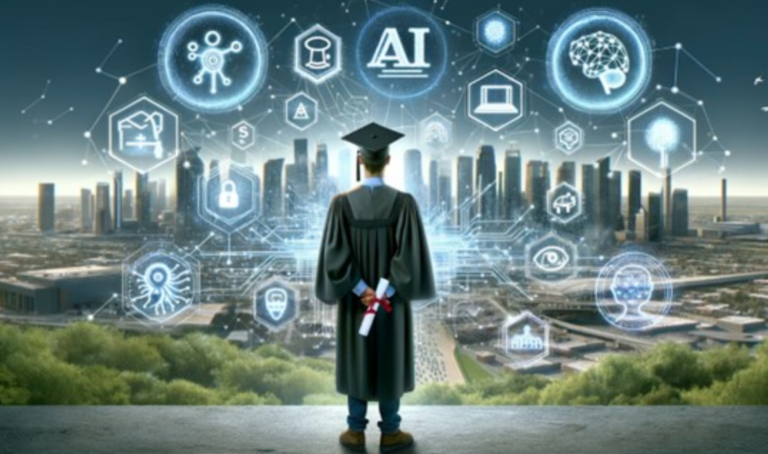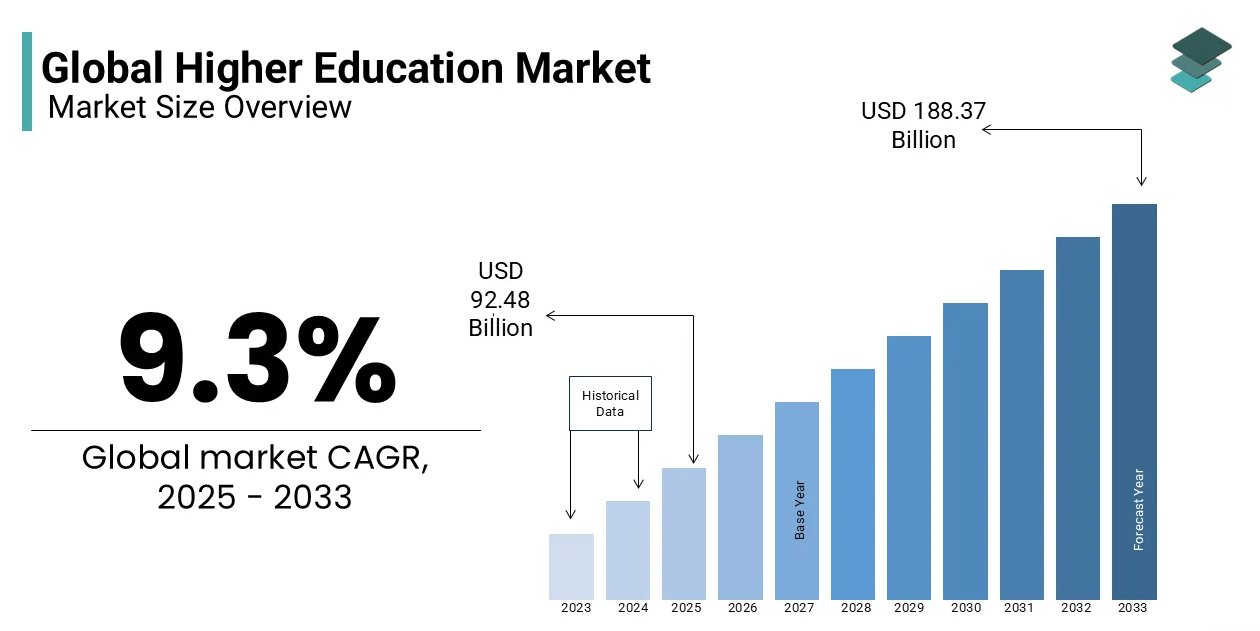
In an increasingly interconnected world, education has transcended geographical boundaries. Students today are no longer confined to learning within their home countries; instead, they are actively seeking global experiences that enhance both their academic and personal development. This shift has led to a significant rise in the demand for international higher education programs. From studying abroad to enrolling in foreign universities, learners across the globe are recognizing the immense value of global education.
The growing demand for international higher education programs is driven by various factors, including globalization, technological advancement, career opportunities, cultural exposure, and the increasing availability of scholarships. As countries continue to integrate economically and socially, the importance of having a global perspective has become more critical than ever.
This article explores the key reasons behind the rising demand for international higher education programs, the benefits they offer, challenges students may face, and the future outlook of global education.
Understanding International Higher Education Programs
International higher education programs refer to academic opportunities that allow students to study in a foreign country or enroll in programs offered by international institutions. These programs can take many forms, including:
- Full degree programs abroad (Bachelor’s, Master’s, PhD)
- Student exchange programs
- Dual-degree or joint-degree programs
- Online international courses
- Short-term study abroad experiences
These programs are designed to provide students with a broader academic perspective while exposing them to different cultures, languages, and teaching methodologies.
Key Factors Driving the Growing Demand
1. Globalization and Interconnected Economies
Globalization has significantly influenced the education sector. As businesses expand internationally, there is a growing need for professionals who understand global markets, cultures, and practices. International education equips students with the skills needed to thrive in a global workforce.
Employers increasingly value candidates who have international experience because they tend to be more adaptable, culturally aware, and capable of working in diverse environments.
2. Enhanced Career Opportunities
One of the primary reasons students pursue international education is to improve their career prospects. Graduates from international programs often have access to:
- Better job opportunities
- Higher earning potential
- Global career mobility
- Strong professional networks
Studying abroad also allows students to gain exposure to international industries and job markets, making them more competitive in the global employment landscape.
3. Access to High-Quality Education
Many students choose to study abroad to access world-class education systems, advanced research facilities, and experienced faculty members. Certain countries are known for their excellence in specific fields, such as technology, medicine, business, and engineering.
International institutions often provide cutting-edge curricula that emphasize innovation, critical thinking, and practical application, giving students a significant advantage.
4. Cultural Exposure and Personal Growth
International education offers more than just academic benefits—it is also a transformative personal experience. Living in a foreign country helps students:
- Develop independence and self-confidence
- Improve communication and language skills
- Gain a broader worldview
- Build cross-cultural understanding
These experiences contribute to personal growth and help students become more open-minded and adaptable individuals.
5. Availability of Scholarships and Financial Aid
Governments, universities, and organizations worldwide offer various scholarships and financial aid programs to attract international students. These financial incentives have made studying abroad more accessible than ever before.
Some programs even cover tuition fees, living expenses, travel costs, and health insurance, reducing the financial burden on students and their families.
6. Technological Advancements and Online Learning
Technology has played a crucial role in expanding access to international education. Online platforms and digital learning tools allow students to enroll in international programs without physically relocating.
Virtual exchange programs, online degrees, and hybrid learning models have made it easier for students to gain international exposure from the comfort of their homes.
7. Government Initiatives and Policies
Many countries actively promote international education by implementing policies that attract foreign students. These include:
- Simplified visa processes
- Post-study work opportunities
- International student support services
- Partnerships between universities
Such initiatives make studying abroad more appealing and accessible to students worldwide.
Benefits of International Higher Education Programs
1. Global Perspective
Students gain a deeper understanding of global issues, cultures, and perspectives, which is essential in today’s interconnected world.
2. Language Skills Development
Studying in a foreign country often requires students to learn or improve a second language, enhancing their communication skills and employability.
3. Networking Opportunities
International programs provide opportunities to connect with students, professors, and professionals from different parts of the world, creating a strong global network.
4. Academic Excellence
Exposure to diverse teaching methods and academic systems enhances students’ critical thinking and problem-solving abilities.
5. Personal Development
Living abroad challenges students to step out of their comfort zones, fostering independence, resilience, and adaptability.
Challenges Faced by International Students
Despite the numerous benefits, international education also comes with challenges that students must overcome.
1. Financial Constraints
Even with scholarships, studying abroad can be expensive. Tuition fees, accommodation, travel, and living expenses can add up quickly.
2. Cultural Adjustment
Adapting to a new culture, lifestyle, and social norms can be challenging, especially in the initial stages.
3. Language Barriers
Students may struggle with language differences, which can affect their academic performance and social interactions.
4. Homesickness and Isolation
Being away from family and friends can lead to feelings of loneliness and homesickness.
5. Visa and Legal Requirements
Navigating visa processes and legal regulations can be complex and time-consuming.
Strategies to Overcome Challenges
Students can take several steps to ensure a successful international education experience:
- Conduct thorough research before choosing a program
- Apply for scholarships and financial aid early
- Learn basic language skills before departure
- Participate in orientation programs
- Stay connected with family and friends
- Join student communities and organizations
Popular Destinations for International Education
Several countries have emerged as top destinations for international students due to their quality education systems and welcoming environments. These include:
- United States
- United Kingdom
- Canada
- Australia
- Germany
- Netherlands
Each destination offers unique advantages, from diverse academic programs to post-graduation work opportunities.
The Role of Universities in Supporting International Students
Universities play a crucial role in enhancing the experience of international students. Many institutions offer:
- Orientation programs
- Academic support services
- Career counseling
- Language assistance programs
- Cultural integration activities
These support systems help students adjust to their new environment and succeed academically.
The Impact on Home and Host Countries
1. Benefits for Host Countries
- Economic contributions through tuition and living expenses
- Cultural diversity and exchange
- Strengthened international relations
2. Benefits for Home Countries
- Knowledge transfer and skill development
- Increased global competitiveness
- Development of human capital
Future Trends in International Higher Education
The demand for international education is expected to continue growing, driven by several emerging trends:
1. Hybrid Learning Models
The combination of online and in-person learning will become more common, offering flexibility and accessibility.
2. Increased Mobility
More students will seek opportunities to study abroad as travel becomes more accessible.
3. Focus on Employability
Programs will increasingly emphasize practical skills, internships, and industry partnerships.
4. Expansion of Emerging Destinations
Countries in Asia and Europe are becoming popular alternatives to traditional study destinations.
5. Digital Transformation
Technology will continue to reshape education, making international programs more accessible and interactive.
Conclusion
The growing demand for international higher education programs reflects a significant shift in how students approach learning and career development. In a globalized world, education is no longer confined to national borders. Instead, it has become a gateway to global opportunities, cultural exchange, and personal growth.
International education equips students with the skills, knowledge, and experiences needed to succeed in an increasingly competitive and interconnected world. While challenges exist, the benefits far outweigh the obstacles, making it a worthwhile investment for many students.
As technology continues to evolve and global connections strengthen, the future of international higher education looks promising. Students who embrace these opportunities will be better prepared to navigate the complexities of the modern world and contribute meaningfully to global society.