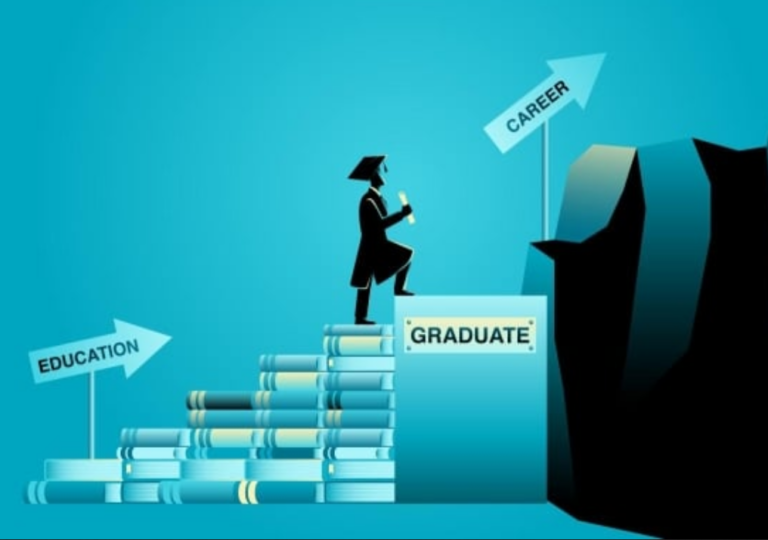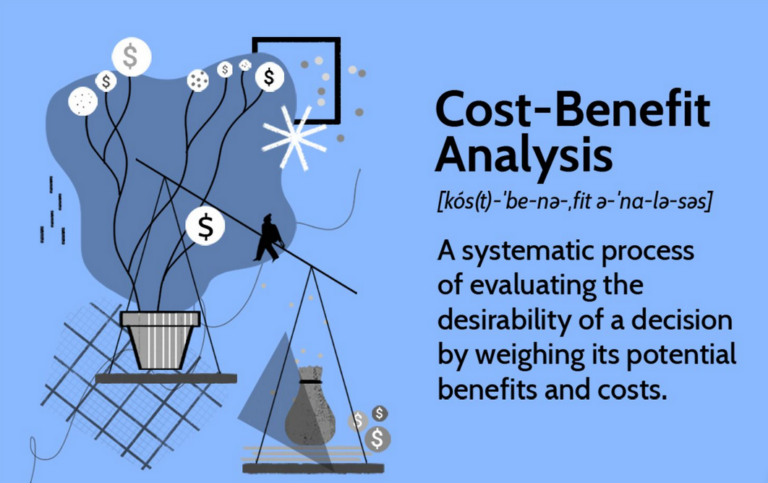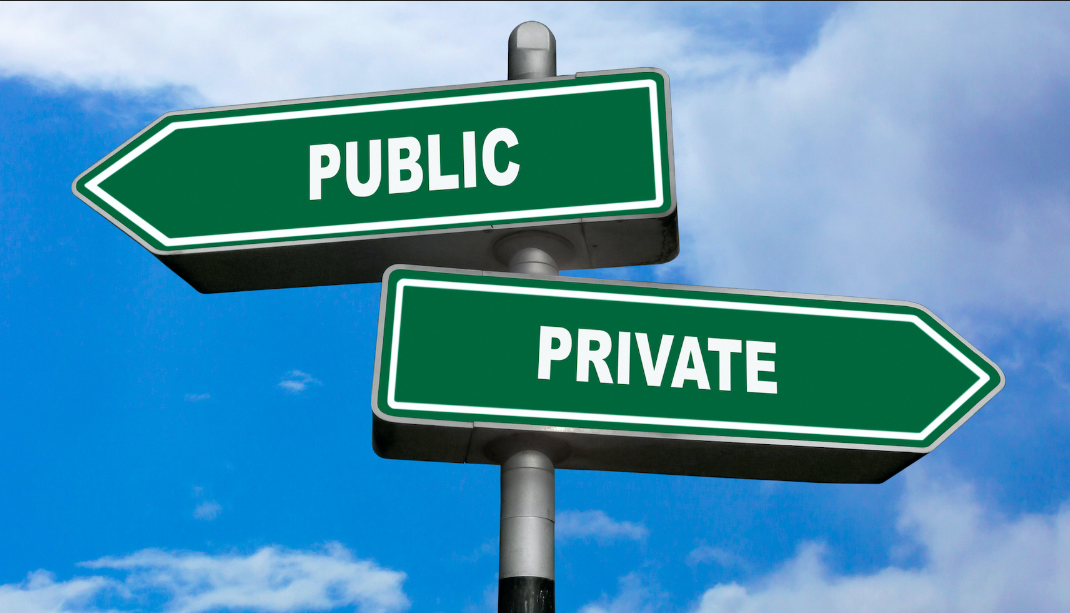
Choosing the right college or university is one of the most important decisions a student will make. Among the many factors to consider, the distinction between public and private higher education institutions plays a major role. Each type offers unique advantages, challenges, and opportunities that can significantly impact a student’s academic experience, financial situation, and future career.
In this comprehensive guide, we’ll explore the key differences between public and private higher education, including cost, funding, admissions, academic quality, campus life, and long-term value. By the end, you’ll have a clear understanding of which option may be best suited for your goals.
What Is Public Higher Education?
Public colleges and universities are institutions funded primarily by government sources, such as state or national governments. Because of this public funding, they often offer lower tuition rates—especially for residents of the state or country where the institution is located.
Key Characteristics of Public Institutions
- Funded by taxpayer money
- Lower tuition for in-state students
- Larger student populations
- Wide range of programs and majors
- Emphasis on accessibility and diversity
Public universities are designed to serve a broad population, making higher education more accessible to students from different socioeconomic backgrounds.
What Is Private Higher Education?
Private colleges and universities rely on tuition fees, donations, endowments, and private funding rather than government support. As a result, they often have higher tuition costs but may provide more financial aid options.
Key Characteristics of Private Institutions
- Funded through private sources
- Higher tuition fees
- Smaller class sizes
- More personalized education
- Selective admissions processes
Private institutions often emphasize specialized programs, strong faculty-student relationships, and unique campus cultures.
Key Differences Between Public and Private Higher Education
Understanding the core differences between public and private institutions can help students make informed decisions. Below are the most important areas where these two types of institutions differ.
1. Cost and Tuition Fees
Public Institutions
One of the biggest advantages of public universities is affordability. Because they receive government funding, they can offer lower tuition rates, particularly for in-state students.
- In-state tuition is significantly cheaper
- Out-of-state tuition can be higher but still competitive
- More affordable for middle- and lower-income families
Private Institutions
Private colleges typically have higher tuition fees since they do not receive government subsidies.
- Higher overall cost
- Often offset by scholarships and grants
- Financial aid packages can reduce net cost
Key Takeaway
While public institutions are generally more affordable upfront, private institutions may offer substantial financial aid that narrows the cost gap.
2. Funding and Resources
Public Institutions
Public universities receive funding from government sources, which can fluctuate based on political and economic conditions.
- Dependence on state budgets
- Large-scale funding for research
- Extensive facilities and infrastructure
Private Institutions
Private colleges rely on endowments, alumni donations, and tuition fees.
- Greater financial independence
- Often well-funded through large endowments
- Ability to invest in specialized programs
Key Takeaway
Private institutions may have more flexibility in allocating resources, while public institutions often benefit from large-scale funding for research and facilities.
3. Class Size and Student Experience
Public Institutions
Public universities tend to have larger student populations, which can impact class sizes.
- Large lecture halls with hundreds of students
- Less individualized attention
- More diverse student body
Private Institutions
Private colleges often prioritize smaller class sizes.
- More interaction with professors
- Personalized learning environment
- Stronger sense of community
Key Takeaway
Students seeking individualized attention may prefer private institutions, while those comfortable in larger settings may thrive in public universities.
4. Admissions Process
Public Institutions
Public universities generally have higher acceptance rates, especially for in-state applicants.
- More inclusive admissions policies
- Emphasis on accessibility
- Standardized criteria
Private Institutions
Private colleges often have more selective admissions processes.
- Lower acceptance rates
- Holistic application reviews
- Emphasis on extracurricular activities and personal achievements
Key Takeaway
Private institutions are typically more competitive, while public institutions provide broader access to higher education.
5. Academic Programs and Flexibility
Public Institutions
Public universities offer a wide range of academic programs across multiple disciplines.
- Extensive course offerings
- Opportunities for interdisciplinary study
- Strong research programs
Private Institutions
Private colleges may focus on specialized or niche programs.
- Strong emphasis on liberal arts or specific fields
- Innovative curricula
- Flexibility in course design
Key Takeaway
Public institutions provide variety, while private institutions often offer depth and specialization.
6. Faculty and Teaching Style
Public Institutions
Faculty at public universities often balance teaching with research responsibilities.
- Renowned researchers
- Less direct interaction in large classes
- Teaching assistants often involved
Private Institutions
Private colleges typically emphasize teaching and mentorship.
- Closer relationships with professors
- Greater focus on undergraduate education
- More interactive classrooms
Key Takeaway
Private institutions often provide a more personalized academic experience, while public institutions offer access to leading researchers.
7. Campus Facilities and Infrastructure
Public Institutions
Public universities usually have large campuses with extensive facilities.
- Libraries, labs, and research centers
- Sports complexes and student housing
- Diverse extracurricular activities
Private Institutions
Private colleges may have smaller campuses but often maintain high-quality facilities.
- Modern classrooms and technology
- Well-maintained campuses
- Focus on student-centered spaces
Key Takeaway
Both types offer excellent facilities, but public institutions typically have larger campuses, while private ones focus on quality and accessibility.
8. Campus Culture and Diversity
Public Institutions
Public universities often have highly diverse student populations.
- Students from various backgrounds
- Wide range of clubs and organizations
- Vibrant campus life
Private Institutions
Private colleges may have smaller, more close-knit communities.
- Strong sense of identity and tradition
- Tight-knit student groups
- Focused campus culture
Key Takeaway
Public institutions offer diversity and scale, while private institutions provide a more intimate community experience.
9. Financial Aid Opportunities
Public Institutions
Public universities offer financial aid, but it may be limited compared to private institutions.
- State-funded scholarships
- Federal aid programs
- Merit-based assistance
Private Institutions
Private colleges often provide generous financial aid packages.
- Need-based grants
- Merit scholarships
- Institutional funding
Key Takeaway
Private institutions may offer more substantial financial aid, making them more affordable than expected.
10. Career Opportunities and Networking
Public Institutions
Large alumni networks and industry connections can benefit students.
- Extensive job placement services
- Internship opportunities
- Broad professional networks
Private Institutions
Private colleges often emphasize career preparation and networking.
- Strong alumni connections
- Personalized career support
- High job placement rates
Key Takeaway
Both types provide valuable career opportunities, but private institutions may offer more personalized support.
Advantages of Public Higher Education
- Lower tuition costs
- Greater accessibility
- Wide range of programs
- Diverse student population
- Strong research opportunities
Advantages of Private Higher Education
- Smaller class sizes
- Personalized education
- Strong faculty-student relationships
- Generous financial aid
- Unique academic programs
Disadvantages of Public Higher Education
- Larger class sizes
- Less individualized attention
- Competitive funding constraints
- Potential overcrowding
Disadvantages of Private Higher Education
- Higher tuition costs
- More selective admissions
- Limited program variety in some cases
- Smaller campus environments
Which Option Is Right for You?
Choosing between public and private higher education depends on your individual goals, preferences, and financial situation.
Choose Public Higher Education If:
- You want a more affordable option
- You prefer a large, diverse campus
- You’re interested in a wide range of programs
- You value research opportunities
Choose Private Higher Education If:
- You prefer smaller class sizes
- You want personalized attention
- You’re interested in specialized programs
- You qualify for financial aid or scholarships
Tips for Making the Right Decision
- Evaluate Your Budget
Consider total costs, including tuition, housing, and living expenses. - Research Financial Aid Options
Compare scholarships, grants, and aid packages. - Visit Campuses
Experience the environment and culture firsthand. - Consider Your Career Goals
Choose an institution that aligns with your future plans. - Review Academic Programs
Ensure the school offers your desired major or field of study.
The Future of Higher Education
The line between public and private education is becoming increasingly blurred. Many public institutions are adopting features of private colleges, such as smaller class sizes and personalized learning. At the same time, private institutions are working to improve accessibility and affordability.
Online education and hybrid learning models are also reshaping the landscape, offering students more flexibility than ever before.
Conclusion
Public and private higher education institutions each offer unique advantages and challenges. Public universities provide affordability, accessibility, and diversity, while private colleges offer personalized education, smaller class sizes, and strong support systems.
Ultimately, the best choice depends on your individual needs, goals, and financial situation. By carefully evaluating the key differences outlined in this guide, you can make an informed decision that sets you on the path to academic and professional success.