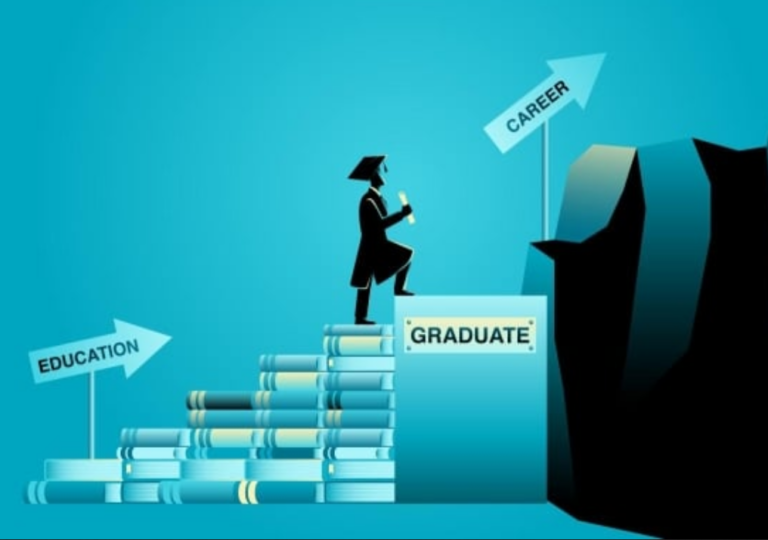
Higher education is often associated with lectures, exams, and academic achievements. While these elements form the foundation of university life, they represent only a fraction of what students truly gain during their academic journey. Beyond textbooks and classrooms lies a transformative experience that equips individuals with a diverse set of practical, social, and cognitive skills. These skills are not always listed on a syllabus, yet they are often the most valuable assets graduates carry into their professional and personal lives.
In today’s fast-paced and competitive world, employers are increasingly looking for individuals who possess more than just academic knowledge. They seek well-rounded candidates who can communicate effectively, think critically, adapt to change, and work collaboratively. Higher education institutions provide the ideal environment for nurturing these capabilities through real-world experiences, social interactions, and personal challenges.
This article explores the essential skills students gain from higher education beyond the classroom and explains why these competencies are crucial for long-term success.
1. Communication Skills
One of the most fundamental skills developed during higher education is communication. Students engage in various forms of communication, including presentations, group discussions, written assignments, and debates.
Verbal Communication
Participating in class discussions and delivering presentations helps students articulate ideas clearly and confidently. Over time, they learn how to adjust their tone, language, and approach depending on the audience.
Written Communication
From essays to research papers, students refine their ability to structure arguments, present evidence, and write persuasively. This skill becomes invaluable in professional environments where clear documentation and reporting are essential.
Interpersonal Communication
Interacting with peers, professors, and staff helps students build strong interpersonal relationships. They learn how to listen actively, provide feedback, and resolve misunderstandings effectively.
2. Time Management and Organization
Balancing coursework, extracurricular activities, and personal responsibilities requires effective time management. Students quickly realize that procrastination can lead to stress and poor performance.
Prioritization
Higher education teaches students how to prioritize tasks based on urgency and importance. This skill is essential for meeting deadlines and maintaining productivity.
Scheduling
Using planners, calendars, or digital tools, students learn to allocate time efficiently for studying, socializing, and self-care.
Multitasking
Handling multiple assignments and responsibilities simultaneously enhances students’ ability to multitask without compromising quality.
3. Critical Thinking and Problem-Solving
Higher education challenges students to go beyond memorization and engage in analytical thinking.
Analytical Skills
Students learn to evaluate information, identify patterns, and draw logical conclusions. This is especially important in research-based disciplines.
Problem-Solving
Through case studies, projects, and real-world scenarios, students develop the ability to identify problems and create effective solutions.
Decision-Making
Making informed decisions based on data and evidence becomes a core skill that applies to both academic and professional settings.
4. Leadership and Teamwork
Group projects, student organizations, and extracurricular activities provide opportunities to develop leadership and teamwork skills.
Leadership Skills
Students often take on roles such as team leader, event organizer, or club president. These experiences help them learn how to motivate others, delegate tasks, and manage conflicts.
Collaboration
Working in teams teaches students how to respect diverse perspectives, share responsibilities, and achieve common goals.
Conflict Resolution
Disagreements are inevitable in group settings. Students learn how to navigate conflicts professionally and find mutually beneficial solutions.
5. Adaptability and Resilience
University life is full of unexpected challenges, from difficult courses to personal setbacks.
Adaptability
Students must adjust to new environments, teaching styles, and expectations. This flexibility prepares them for dynamic work environments.
Resilience
Facing failures, such as poor grades or rejected ideas, helps students build resilience. They learn to recover, improve, and move forward.
Stress Management
Managing academic pressure teaches students how to cope with stress through healthy habits and support systems.
6. Networking and Relationship Building
Higher education provides a unique opportunity to build a diverse network of connections.
Peer Networks
Classmates often become lifelong friends and professional contacts. These relationships can lead to future collaborations and career opportunities.
Faculty Mentorship
Professors and academic advisors can offer guidance, mentorship, and recommendations that shape students’ careers.
Industry Connections
Internships, seminars, and guest lectures expose students to industry professionals and potential employers.
7. Independence and Self-Discipline
For many students, higher education is their first experience living independently.
Personal Responsibility
Students are responsible for managing their schedules, finances, and daily routines.
Self-Motivation
Without constant supervision, students must motivate themselves to attend classes, complete assignments, and pursue goals.
Decision-Making
From choosing courses to managing budgets, students develop the ability to make important life decisions independently.
8. Cultural Awareness and Diversity
University campuses are often melting pots of cultures, backgrounds, and perspectives.
Exposure to Diversity
Interacting with people from different cultures broadens students’ understanding of the world.
Inclusivity
Students learn to respect and appreciate differences, fostering an inclusive mindset.
Global Perspective
This exposure prepares students to work in global environments and collaborate with diverse teams.
9. Digital Literacy and Technical Skills
In today’s digital age, higher education plays a crucial role in developing technological proficiency.
Software Skills
Students become familiar with various tools such as word processors, spreadsheets, and presentation software.
Research Skills
Using online databases and digital libraries enhances students’ ability to find credible information.
Online Collaboration
Virtual learning platforms and group tools prepare students for remote work environments.
10. Creativity and Innovation
Higher education encourages students to think outside the box and explore new ideas.
Creative Thinking
Assignments and projects often require innovative approaches and original solutions.
Experimentation
Students are encouraged to test ideas, learn from failures, and refine their concepts.
Entrepreneurial Mindset
Many students develop the confidence to start their own ventures or pursue unconventional career paths.
11. Ethical Awareness and Integrity
Academic environments emphasize the importance of honesty and ethical behavior.
Academic Integrity
Students learn the importance of avoiding plagiarism and maintaining honesty in their work.
Ethical Decision-Making
Courses and discussions often address ethical dilemmas, helping students develop a strong moral compass.
Professional Ethics
These principles carry over into the workplace, where integrity is highly valued.
12. Emotional Intelligence
Emotional intelligence is a key factor in personal and professional success.
Self-Awareness
Students become more aware of their strengths, weaknesses, and emotions.
Empathy
Interacting with diverse individuals helps students understand and relate to others’ feelings.
Relationship Management
Managing emotions and building positive relationships are essential skills developed during university life.
13. Public Speaking and Confidence
Standing in front of an audience can be intimidating, but higher education provides numerous opportunities to build confidence.
Presentation Skills
Students learn how to structure presentations, use visual aids, and engage audiences.
Confidence Building
Repeated exposure to public speaking helps reduce anxiety and build self-assurance.
Persuasion
Students develop the ability to influence and persuade others effectively.
14. Research and Analytical Skills
Research is a cornerstone of higher education.
Data Analysis
Students learn how to collect, analyze, and interpret data.
Critical Evaluation
Evaluating sources and identifying biases are essential research skills.
Report Writing
Presenting findings in a structured and clear manner prepares students for professional reporting.
15. Lifelong Learning Mindset
Perhaps the most valuable skill gained from higher education is the ability to keep learning.
Curiosity
Students develop a natural curiosity and desire to explore new topics.
Self-Learning
They learn how to acquire knowledge independently, a crucial skill in a rapidly changing world.
Adaptation to Change
A lifelong learning mindset enables individuals to stay relevant in their careers.
Conclusion
Higher education is far more than an academic pursuit—it is a comprehensive journey of personal and professional development. While classroom learning provides foundational knowledge, the experiences beyond it shape individuals into capable, adaptable, and well-rounded professionals.
From communication and critical thinking to leadership and emotional intelligence, the skills gained outside the classroom are essential for success in today’s complex world. These competencies not only enhance employability but also contribute to personal growth and lifelong fulfillment.
As the demands of the modern workforce continue to evolve, the importance of these skills cannot be overstated. Students who actively engage in all aspects of higher education—academic, social, and extracurricular—will find themselves better prepared to navigate challenges, seize opportunities, and achieve their goals.
Ultimately, the true value of higher education lies not just in the degree earned, but in the skills developed along the way. These skills become the foundation for a successful and meaningful life, proving that learning extends far beyond the classroom walls.