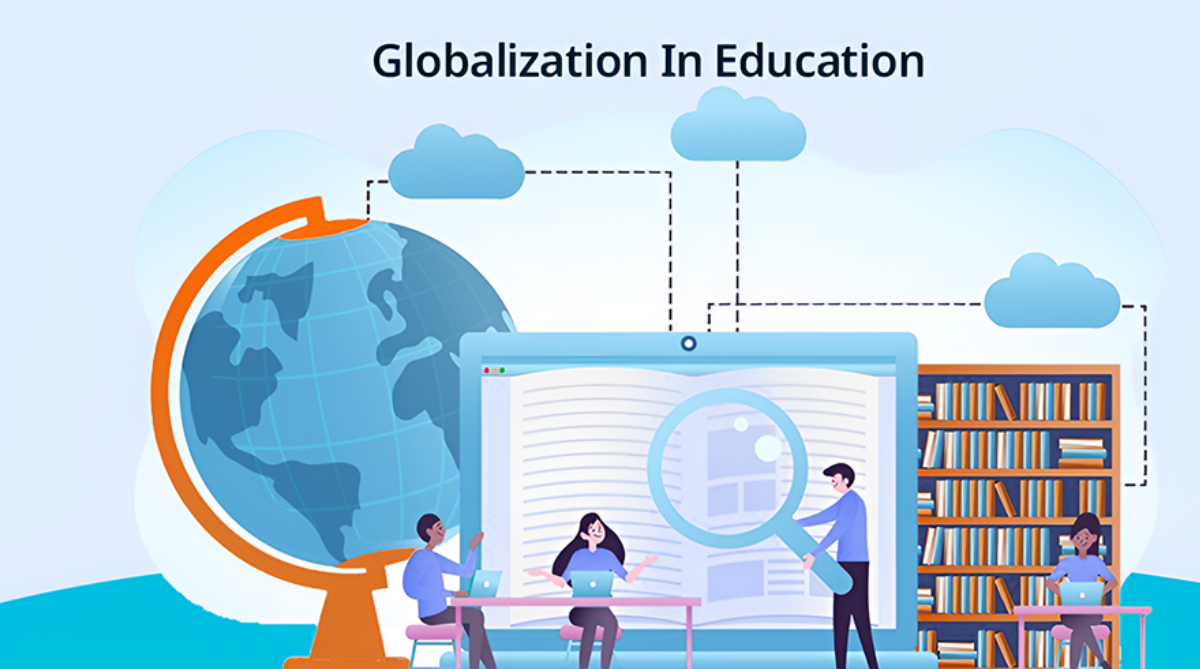
Globalization has become one of the most influential forces shaping modern society. It has transformed economies, cultures, communication systems, and, most importantly, education. Higher education, in particular, has undergone profound changes as universities, colleges, and research institutions increasingly operate within a global framework. The flow of knowledge, students, faculty, and resources across borders has redefined how education is delivered, accessed, and valued.
This article explores the multifaceted impact of globalization on higher education, examining its benefits, challenges, and future implications. From international student mobility to the rise of global research collaborations and digital learning platforms, globalization continues to reshape the academic landscape in unprecedented ways.
Understanding Globalization in Higher Education
Globalization in higher education refers to the integration of international perspectives, standards, and collaborations into academic systems. It involves the movement of students, educators, academic programs, and research initiatives across national borders.
This phenomenon is driven by several factors:
- Advances in technology and communication
- Increased demand for skilled global professionals
- Economic interdependence between countries
- Expansion of multinational corporations
- Growth of international education markets
As a result, higher education institutions are no longer confined to local or national boundaries. They now compete and collaborate on a global scale.
Key Drivers of Globalization in Higher Education
1. Technological Advancements
The rapid development of digital technologies has significantly accelerated globalization in education. Online learning platforms, virtual classrooms, and digital libraries allow students to access knowledge from anywhere in the world.
Massive Open Online Courses (MOOCs), for example, have democratized education by providing access to high-quality courses from top universities. This has made higher education more inclusive and flexible.
2. International Student Mobility
One of the most visible aspects of globalization is the increasing number of students studying abroad. Students seek international education to gain better career opportunities, cultural exposure, and access to high-quality institutions.
Countries like the United States, the United Kingdom, Australia, and Canada have become major destinations for international students, contributing significantly to their economies.
3. Global Labor Market Demands
Employers today seek graduates with global competencies, such as cross-cultural communication skills, adaptability, and international experience. This demand encourages universities to internationalize their curricula and offer programs that prepare students for global careers.
4. Institutional Partnerships
Universities are forming partnerships with institutions worldwide to enhance research, exchange programs, and academic offerings. These collaborations foster innovation and knowledge sharing.
Positive Impacts of Globalization on Higher Education
1. Increased Access to Education
Globalization has expanded access to higher education by breaking geographical barriers. Students can now enroll in international programs without physically relocating, thanks to online education.
This has been particularly beneficial for students in developing countries who may not have access to high-quality local institutions.
2. Enhanced Quality and Standards
Global competition among universities has led to improvements in academic standards, teaching methods, and research output. Institutions strive to meet international benchmarks to attract students and funding.
Accreditation systems and global rankings also play a role in maintaining quality and transparency.
3. Cultural Exchange and Diversity
International education promotes cultural diversity and mutual understanding. Students from different backgrounds interact, share perspectives, and develop a global mindset.
This cultural exchange enriches the learning experience and prepares students for multicultural environments.
4. Growth of Research and Innovation
Globalization has facilitated international research collaborations, allowing scholars to work together on complex global challenges such as climate change, public health, and technological innovation.
These collaborations lead to more impactful research outcomes and faster knowledge dissemination.
5. Economic Benefits
Higher education has become a significant economic sector. International students contribute billions of dollars annually through tuition fees, living expenses, and related services.
Universities also attract funding from international partnerships and research grants.
Challenges of Globalization in Higher Education
1. Inequality and Access Gaps
Despite increased access, globalization has also widened the gap between developed and developing countries. Prestigious institutions often remain accessible only to students with financial resources.
This creates an imbalance in educational opportunities and outcomes.
2. Brain Drain
Many students from developing countries choose to study abroad and do not return home, leading to a loss of talent and skilled professionals.
This phenomenon, known as brain drain, can hinder the development of local economies and education systems.
3. Commercialization of Education
Globalization has turned education into a competitive market. Some institutions prioritize profit over quality, leading to concerns about the commercialization of higher education.
This shift may compromise academic integrity and the core mission of education.
4. Cultural Homogenization
The dominance of Western education models and curricula can lead to the erosion of local cultures and knowledge systems.
Universities may adopt standardized approaches that do not reflect regional contexts or values.
5. Quality Assurance Issues
The rapid expansion of cross-border education has raised concerns about quality control. Not all international programs meet the same standards, making it difficult to ensure consistency and credibility.
The Role of Technology in Globalized Education
Technology plays a central role in enabling globalization in higher education. It has transformed how knowledge is created, shared, and consumed.
Online Learning and Virtual Universities
Online education platforms have made learning more accessible and flexible. Students can attend lectures, complete assignments, and interact with peers without being physically present on campus.
Virtual universities and hybrid learning models are becoming increasingly popular.
Digital Collaboration
Researchers and students can collaborate in real time using digital tools. This has enhanced productivity and innovation in academic research.
Artificial Intelligence and Data Analytics
AI and data analytics are being used to personalize learning experiences, improve student outcomes, and optimize institutional operations.
Internationalization of Curriculum
Globalization has led to the internationalization of academic programs. Universities are integrating global perspectives into their curricula to prepare students for international careers.
This includes:
- Offering courses in multiple languages
- Incorporating global case studies
- Promoting study abroad programs
- Encouraging interdisciplinary learning
Such initiatives help students develop critical thinking skills and a broader understanding of global issues.
Impact on Faculty and Academic Staff
Globalization has also affected educators and academic professionals.
Increased Mobility
Faculty members now have more opportunities to work abroad, participate in international conferences, and collaborate on global research projects.
Professional Development
Exposure to diverse academic environments enhances teaching skills and research capabilities.
Challenges
However, globalization also brings challenges such as increased competition, pressure to publish internationally, and the need to adapt to different cultural and institutional contexts.
Global Rankings and Competition
University rankings have become a significant aspect of globalization. Institutions compete for higher positions in global rankings to attract students, faculty, and funding.
While rankings can drive improvements, they also create pressure and may lead institutions to focus on metrics rather than educational quality.
Policy and Governance in a Global Context
Governments and educational authorities play a crucial role in managing globalization in higher education.
Regulatory Frameworks
Policies are needed to ensure quality assurance, accreditation, and recognition of international qualifications.
International Agreements
Countries enter agreements to facilitate student mobility, academic exchanges, and research collaborations.
Investment in Education
Governments must invest in education to remain competitive in the global landscape.
The Future of Globalization in Higher Education
Globalization will continue to evolve, influenced by technological advancements, political changes, and economic trends.
Hybrid Learning Models
Blended learning, combining online and in-person education, is likely to become the norm.
Increased Collaboration
Global partnerships will expand, leading to more joint programs and research initiatives.
Focus on Sustainability
Universities will play a key role in addressing global challenges such as climate change, inequality, and public health.
Personalized Education
Technology will enable more personalized and adaptive learning experiences.
Strategies for Adapting to Globalization
Higher education institutions must adopt strategies to thrive in a globalized environment.
Embrace Innovation
Universities should invest in technology and innovative teaching methods.
Promote Inclusivity
Efforts must be made to ensure equal access to education for all students.
Strengthen Partnerships
Collaborations with international institutions can enhance academic offerings and research capabilities.
Preserve Cultural Identity
Institutions should balance global integration with the preservation of local cultures and traditions.
Conclusion
Globalization has fundamentally transformed higher education, creating new opportunities and challenges. It has expanded access, improved quality, and fostered innovation, while also raising concerns about inequality, commercialization, and cultural homogenization.
As the world becomes increasingly interconnected, higher education institutions must adapt to this dynamic environment. By embracing globalization while addressing its challenges, universities can play a vital role in shaping a more inclusive, innovative, and sustainable future.
Ultimately, globalization is not just a trend but a defining force that will continue to shape the future of higher education for generations to come.