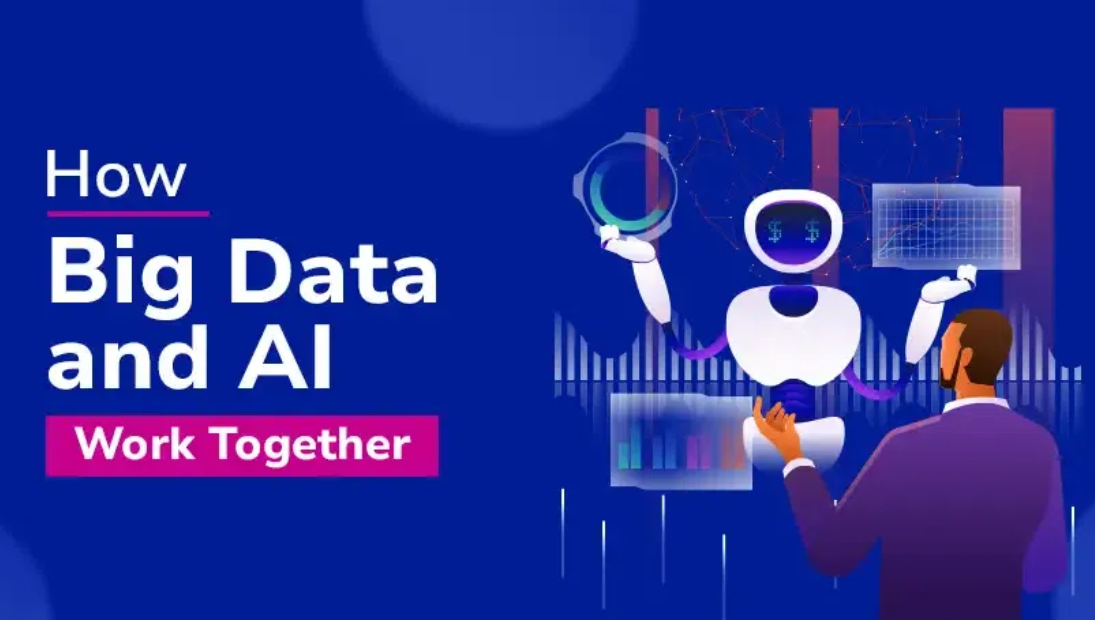
In the modern digital era, data has become one of the most valuable resources in the world. Every click, search, purchase, and interaction online generates data. This massive volume of information is known as Big Data. At the same time, businesses and researchers are increasingly relying on Machine Learning (ML) to analyze this data and extract meaningful insights.
When combined, Big Data and Machine Learning form a powerful partnership that drives innovation, automation, and smarter decision-making across industries. From personalized recommendations on streaming platforms to fraud detection in banking systems, these two technologies are reshaping the way the world operates.
This article explains in detail how Big Data and Machine Learning work together, why their relationship is so important, and how they are transforming industries worldwide.
What is Big Data?
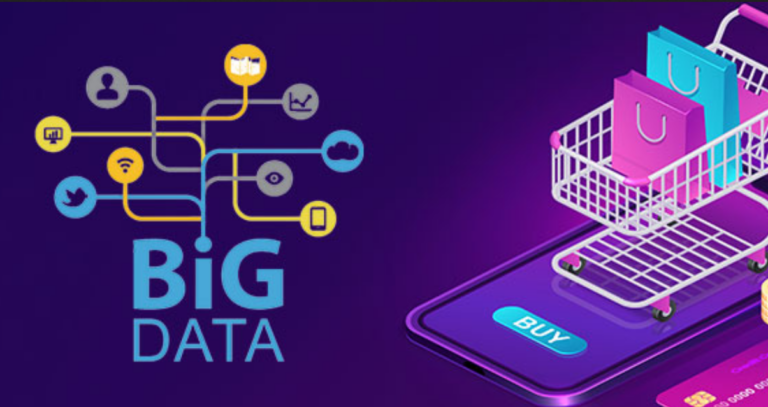
Big Data refers to extremely large datasets that are too complex and massive to be processed using traditional data processing methods. These datasets come from various sources such as:
- Social media platforms
- Online transactions
- Sensors and IoT devices
- Mobile applications
- Website interactions
- Business operations
Big Data is commonly defined by the 3 Vs:
1. Volume
The amount of data generated every second is enormous. For example, social media platforms like Facebook and Instagram generate petabytes of data daily.
2. Velocity
Data is created and processed at high speed. Real-time analytics is often required to extract value from streaming data.
3. Variety
Data comes in multiple formats such as text, images, videos, audio, and structured databases.
Some experts also add more Vs like Veracity (data accuracy) and Value (usefulness of data).
What is Machine Learning?
Machine Learning is a branch of Artificial Intelligence (AI) that enables systems to learn from data and improve their performance without being explicitly programmed.
Instead of following fixed rules, ML algorithms identify patterns in data and make predictions or decisions.
Types of Machine Learning
- Supervised Learning
The model is trained using labeled data. Example: predicting house prices based on historical data. - Unsupervised Learning
The model finds hidden patterns in unlabeled data. Example: customer segmentation. - Reinforcement Learning
The model learns through rewards and penalties. Example: robotics and game AI.
Machine Learning thrives on data — and this is where Big Data becomes essential.
The Relationship Between Big Data and Machine Learning
Big Data and Machine Learning are deeply connected. One cannot reach its full potential without the other.
- Big Data provides the raw material
- Machine Learning provides the intelligence layer
Think of Big Data as a massive library filled with books, and Machine Learning as the librarian who reads, understands, and extracts insights from those books.
Without Big Data, ML algorithms would have limited learning capability. Without Machine Learning, Big Data would remain meaningless raw information.
How Big Data Powers Machine Learning
Machine Learning algorithms require large and diverse datasets to learn effectively. Big Data enables this in several ways:
1. Better Model Accuracy
The more data an ML model is trained on, the more accurate it becomes. Big Data provides enough samples for algorithms to learn complex patterns.
2. Improved Predictions
Large datasets help ML models identify trends that are not visible in small datasets. This improves forecasting and decision-making.
3. Reduced Bias
With more diverse data sources, Machine Learning models become less biased and more reliable.
4. Continuous Learning
Big Data systems often provide real-time data streams, allowing ML models to continuously learn and adapt.
How Machine Learning Makes Big Data Useful
While Big Data provides raw information, Machine Learning turns it into actionable insights.
1. Data Processing and Filtering
ML algorithms clean and organize messy data, removing duplicates and irrelevant information.
2. Pattern Recognition
Machine Learning identifies hidden relationships in data that humans may miss.
3. Predictive Analytics
ML models predict future outcomes based on historical data patterns.
4. Automation
Machine Learning automates decision-making processes, reducing the need for human intervention.
Real-World Applications of Big Data and Machine Learning
The combination of Big Data and Machine Learning is used across almost every industry today.
1. E-Commerce and Online Shopping
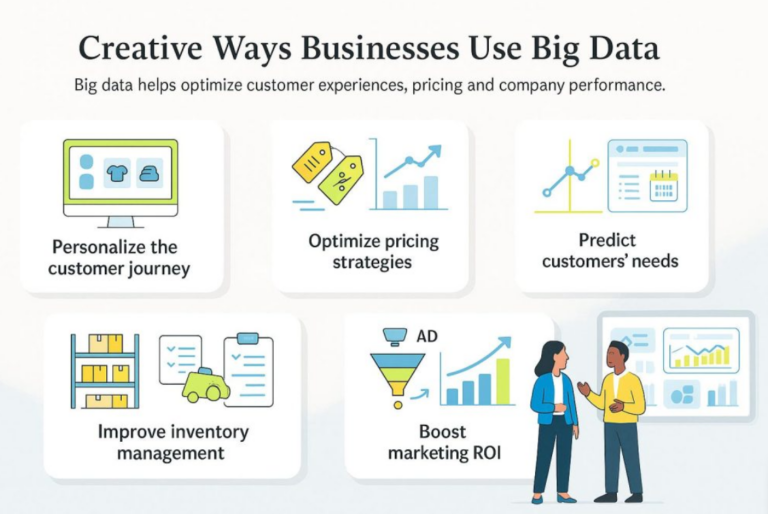
Companies like Amazon and Alibaba use Big Data and ML to:
- Recommend products based on browsing history
- Predict customer preferences
- Optimize pricing strategies
- Detect fraudulent transactions
For example, recommendation systems analyze millions of user interactions to suggest relevant products.
2. Healthcare Industry
In healthcare, Big Data and Machine Learning help:
- Predict disease outbreaks
- Analyze medical images
- Personalize treatment plans
- Improve diagnostic accuracy
Hospitals use patient data and ML models to detect early signs of diseases like cancer and diabetes.
3. Banking and Finance
Financial institutions rely heavily on these technologies for:
- Fraud detection
- Credit scoring
- Risk assessment
- Algorithmic trading
Machine Learning models analyze transaction patterns in real time to detect suspicious activities.
4. Social Media Platforms
Platforms like Facebook, TikTok, and YouTube use Big Data and ML to:
- Curate personalized feeds
- Recommend content
- Target advertisements
- Detect fake accounts and spam
Every like, share, and comment contributes to massive datasets used for training ML algorithms.
5. Transportation and Logistics
Companies like Uber and DHL use Big Data and Machine Learning for:
- Route optimization
- Demand forecasting
- Traffic prediction
- Fleet management
This reduces costs and improves delivery efficiency.
6. Manufacturing Industry
In smart factories, ML models analyze sensor data to:
- Predict machine failures
- Optimize production lines
- Reduce downtime
- Improve product quality
This concept is known as predictive maintenance.
7. Entertainment and Streaming Services
Platforms like Netflix and Spotify rely on Big Data and ML to:
- Recommend movies and music
- Analyze user preferences
- Improve content strategy
- Increase user engagement
Technologies That Support Big Data and Machine Learning
Several technologies help integrate Big Data with Machine Learning:
1. Hadoop
A framework that allows distributed processing of large datasets across clusters of computers.
2. Apache Spark
A fast processing engine used for real-time data analytics and ML workloads.
3. TensorFlow
An open-source ML framework used to build and train deep learning models.
4. PyTorch
A popular framework for research and production in machine learning.
5. Cloud Computing Platforms
Services like AWS, Google Cloud, and Microsoft Azure provide scalable infrastructure for Big Data and ML.
Challenges in Combining Big Data and Machine Learning
Despite their advantages, integrating Big Data and Machine Learning comes with challenges:
1. Data Quality Issues
Poor-quality data can lead to inaccurate ML models.
2. Storage and Processing Costs
Handling massive datasets requires expensive infrastructure.
3. Privacy Concerns
Sensitive data must be protected to avoid breaches and misuse.
4. Complexity of Integration
Combining different tools and frameworks can be technically challenging.
5. Skilled Workforce Requirement
There is a high demand for data scientists and ML engineers.
The Future of Big Data and Machine Learning
The future of Big Data and Machine Learning looks extremely promising. Some key trends include:
1. Artificial Intelligence Integration
ML models will become more advanced with AI-driven automation.
2. Real-Time Analytics
Instant decision-making based on live data will become standard.
3. Edge Computing
Data processing will move closer to devices, reducing latency.
4. Hyper-Personalization
Businesses will offer highly customized experiences for every user.
5. Autonomous Systems
Self-driving cars, smart cities, and automated industries will rely heavily on these technologies.
Conclusion
Big Data and Machine Learning are two powerful technologies that complement each other perfectly. Big Data provides the massive amount of information needed for learning, while Machine Learning transforms that data into actionable insights and intelligent decisions.
Together, they are driving innovation across industries such as healthcare, finance, e-commerce, transportation, and entertainment. As technology continues to evolve, their integration will become even deeper, enabling smarter systems and more efficient processes.
Businesses that leverage both Big Data and Machine Learning today will have a significant competitive advantage in the future digital economy.