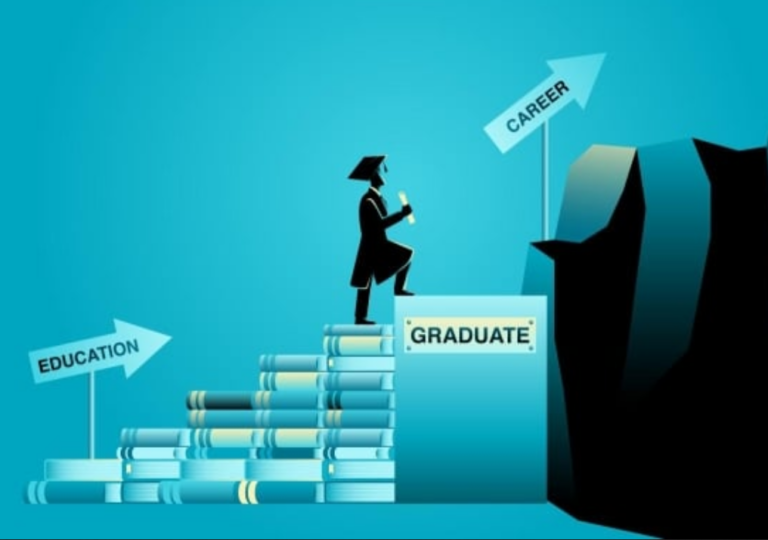
In today’s rapidly evolving world, one of the most debated questions among students, parents, and professionals is: Is higher education worth it? With rising tuition costs, increasing student debt, and the emergence of alternative learning pathways, the value of a college or university degree is no longer taken for granted.
For decades, higher education has been considered a gateway to better career opportunities, higher income, and personal growth. However, the landscape is changing. Online learning platforms, vocational training, and entrepreneurial opportunities are challenging traditional education systems.
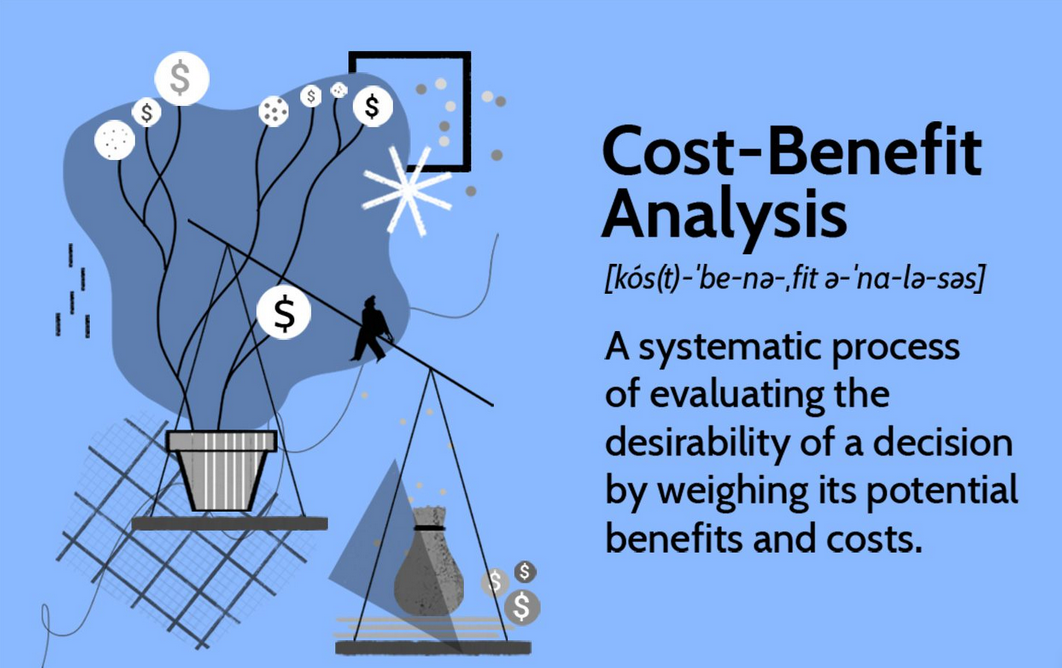
This article provides a comprehensive cost-benefit analysis of higher education, helping you make an informed decision based on financial, professional, and personal factors.
Understanding Higher Education
Higher education refers to any form of education beyond high school, typically offered by universities, colleges, and specialized institutions. It includes:
- Undergraduate degrees (Bachelor’s)
- Graduate degrees (Master’s and PhDs)
- Professional certifications
- Diplomas and vocational programs
The primary goal of higher education is to equip individuals with advanced knowledge, critical thinking skills, and specialized expertise.
The Costs of Higher Education
1. Tuition Fees
One of the most obvious costs is tuition. Depending on the country and institution, tuition fees can vary significantly.
- Public universities: Lower cost, subsidized by government
- Private institutions: Higher cost, often with more resources
- International programs: Usually the most expensive
Over time, tuition fees have increased dramatically, making higher education a significant financial investment.
2. Student Loan Debt
Many students rely on loans to finance their education. While loans make education accessible, they come with long-term consequences:
- Monthly repayment obligations
- Interest accumulation
- Financial stress post-graduation
In some cases, graduates spend decades repaying their student loans, which can delay major life milestones such as buying a home or starting a family.
3. Opportunity Cost
Opportunity cost refers to what you give up by choosing one option over another. In the case of higher education:
- Lost income from not working full-time
- Delayed entry into the workforce
- Missed business or career opportunities
For example, someone who starts working immediately after high school may gain years of experience and income while others are still studying.
4. Living Expenses
Beyond tuition, students must cover:
- Accommodation
- Food
- Transportation
- Study materials
These costs can add up quickly, especially for students studying away from home.
The Benefits of Higher Education
1. Higher Earning Potential
One of the strongest arguments in favor of higher education is increased earning potential.
Studies consistently show that individuals with a college degree earn significantly more over their lifetime compared to those without one.
- Higher starting salaries
- Faster career progression
- Access to high-paying industries
For example, fields such as medicine, engineering, and law often require advanced degrees but offer substantial financial rewards.
2. Career Opportunities
Higher education opens doors to a wider range of career paths.
Many professions require formal qualifications, including:
- Doctors
- Engineers
- Lawyers
- Teachers
Without a degree, access to these careers is limited or impossible.
3. Skill Development
Higher education is not just about academic knowledge. It also develops essential life and professional skills:
- Critical thinking
- Problem-solving
- Communication
- Time management
These transferable skills are valuable in almost any career.
4. Networking Opportunities
Universities provide a unique environment for building connections:
- Professors and mentors
- Fellow students
- Alumni networks
- Industry professionals
Networking can lead to internships, job offers, and long-term career growth.
5. Personal Growth
Higher education contributes significantly to personal development:
- Increased independence
- Exposure to diverse perspectives
- Enhanced confidence
- Broader worldview
These experiences shape individuals beyond their professional lives.
Financial Return on Investment (ROI)
What is ROI in Education?
Return on Investment (ROI) measures the financial benefits of education relative to its costs.
Formula:
ROI = (Net Benefits / Total Costs) × 100
Factors Influencing ROI
- Field of study
- Institution reputation
- Geographic location
- Job market demand
High ROI Degrees
Some degrees tend to offer higher ROI:
- Engineering
- Computer Science
- Healthcare
- Finance
These fields often lead to high-paying jobs with strong demand.
Low ROI Degrees
Other degrees may have lower financial returns:
- Arts and humanities
- Some social sciences
However, ROI should not be measured purely in financial terms.
Non-Financial Benefits
1. Job Security
Higher education often leads to more stable employment:
- Lower unemployment rates
- Better job benefits
- Greater career flexibility
2. Social Mobility
Education is a powerful tool for improving socio-economic status. It allows individuals from disadvantaged backgrounds to access better opportunities.
3. Health and Well-being
Research suggests that educated individuals tend to:
- Live longer
- Make healthier lifestyle choices
- Have better access to healthcare
4. Civic Engagement
Higher education encourages:
- Political awareness
- Community involvement
- Critical evaluation of information
When Higher Education May Not Be Worth It
Despite its benefits, higher education is not always the best choice.
1. High Debt, Low Income Potential
If the cost of education outweighs expected earnings, it may not be a wise investment.
2. Alternative Career Paths
Many successful careers do not require a degree:
- Entrepreneurship
- Skilled trades (plumbing, electrical work)
- Digital careers (freelancing, content creation)
3. Changing Job Market
The job market is evolving rapidly:
- Automation and AI are replacing some roles
- Skills-based hiring is increasing
- Experience is sometimes valued more than degrees
4. Mismatch Between Education and Career
Some graduates end up working in fields unrelated to their degree, reducing the value of their education investment.
Alternatives to Traditional Higher Education
1. Online Learning Platforms
Platforms like MOOCs offer flexible and affordable learning options.
- Self-paced courses
- Industry-relevant skills
- Lower cost compared to traditional education
2. Vocational Training
Vocational programs focus on practical skills:
- Shorter duration
- Lower cost
- High demand in certain industries
3. Apprenticeships
Apprenticeships combine learning with real-world experience:
- Earn while you learn
- Hands-on training
- Direct pathway to employment
4. Bootcamps
Popular in tech fields, bootcamps provide intensive training:
- Coding
- Data science
- Digital marketing
They are often faster and more affordable than traditional degrees.
Factors to Consider Before Deciding
1. Career Goals
Ask yourself:
- Does my desired career require a degree?
- What qualifications are needed?
2. Financial Situation
Consider:
- Tuition costs
- Available scholarships
- Loan options
- Expected salary after graduation
3. Personal Learning Style
Some people thrive in structured academic environments, while others prefer hands-on or self-directed learning.
4. Market Demand
Research job market trends:
- High-demand industries
- Future-proof careers
- Skill shortages
Case Studies
Case 1: The Engineering Graduate
An engineering student invests heavily in education but secures a high-paying job shortly after graduation. Within a few years, they recover their investment and achieve financial stability.
Conclusion: High ROI, worth the investment.
Case 2: The Arts Graduate
An arts student graduates with significant debt but struggles to find a high-paying job in their field.
Conclusion: Low financial ROI, but may still provide personal fulfillment.
Case 3: The Entrepreneur
An individual skips college and starts a business. After years of effort, they achieve success.
Conclusion: Education is not the only path to success.
The Future of Higher Education
The future of higher education is evolving:
- Hybrid learning models
- Increased focus on skills over degrees
- Greater use of technology
- Lifelong learning becoming essential
Institutions are adapting to meet the needs of modern learners and employers.
Final Verdict: Is Higher Education Worth It?
The answer is not a simple yes or no—it depends on individual circumstances.
Higher Education is Worth It If:
- Your career requires a degree
- You choose a high-demand field
- You manage costs effectively
- You value personal and intellectual growth
It May Not Be Worth It If:
- You accumulate excessive debt
- Your field has limited job opportunities
- You have viable alternative career paths
Conclusion
Higher education remains a powerful tool for personal and professional development, but it is not a one-size-fits-all solution. A careful cost-benefit analysis is essential before making a decision.
By considering financial implications, career goals, and alternative options, you can determine whether higher education aligns with your long-term objectives.
Ultimately, success depends not just on education, but on how you apply your knowledge, skills, and opportunities in the real world.