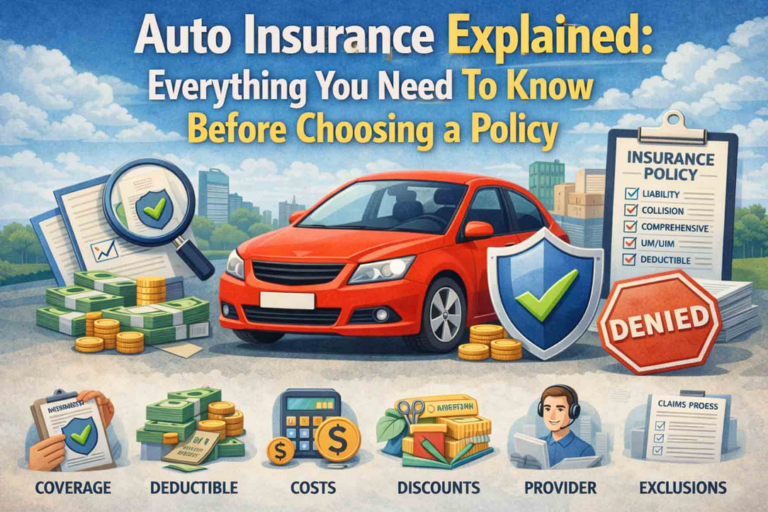
Auto insurance is a necessary expense, but that doesn’t mean you have to overpay for it. With rising living costs and evolving insurance models, finding ways to reduce your premiums quickly has become more important than ever. The good news? There are proven strategies that can help you lower your auto insurance costs—often immediately—without sacrificing essential coverage.
In this comprehensive guide, you’ll discover 10 actionable tips to lower your auto insurance premiums fast, along with expert insights and practical examples to help you save money starting today.
Why Auto Insurance Premiums Are So High
Before diving into the tips, it’s important to understand why your premiums may be expensive. Insurance companies calculate rates based on several risk factors, including:
- Driving history
- Age and gender
- Location
- Vehicle type
- Credit score (in some regions)
- Coverage level and deductible
Knowing these factors will help you better understand how the following strategies work.
1. Shop Around and Compare Quotes
One of the fastest ways to reduce your auto insurance premium is to compare quotes from multiple providers.
Why It Works:
Insurance companies use different formulas to assess risk. This means one company might charge you significantly less than another for the same coverage.
How to Do It:
- Use online comparison tools
- Request quotes from at least 3–5 insurers
- Compare not just price, but coverage details
Pro Tip:
Switching insurers could save you hundreds of dollars per year instantly.
2. Increase Your Deductible
Your deductible is the amount you pay out of pocket before insurance kicks in.
Why It Works:
A higher deductible lowers your premium because you’re taking on more financial risk.
Example:
- $500 deductible → higher premium
- $1,000 deductible → lower premium
Warning:
Only increase your deductible if you can afford to pay it in case of an accident.
3. Bundle Your Insurance Policies
Many insurance companies offer discounts when you bundle multiple policies.
Common Bundles:
- Auto + Home insurance
- Auto + Renters insurance
Benefits:
- Discounts up to 25%
- Simplified billing
- Better customer support
Fast Impact:
This is one of the quickest ways to see a noticeable reduction in your premium.
4. Maintain a Clean Driving Record
Your driving history is one of the biggest factors affecting your insurance rate.
How It Helps:
- No accidents → lower risk
- No traffic violations → better rates
Tips:
- Follow speed limits
- Avoid distracted driving
- Take defensive driving courses
Bonus:
Some insurers offer “accident forgiveness” programs.
5. Take Advantage of Discounts
Insurance companies offer a wide range of discounts that many drivers overlook.
Common Discounts:
- Safe driver discount
- Good student discount
- Low mileage discount
- Military or senior discounts
- Loyalty discounts
Action Step:
Ask your insurer for a full list of available discounts—you might be missing out on easy savings.
6. Improve Your Credit Score
In many regions, insurers use your credit score to determine your premium.
Why It Matters:
A higher credit score indicates financial responsibility, which insurers associate with lower risk.
Quick Ways to Improve:
- Pay bills on time
- Reduce credit card balances
- Avoid unnecessary credit inquiries
Impact:
Even a modest improvement can lead to noticeable savings.
7. Drive Less (or Report Lower Mileage)
The less you drive, the lower your risk of being involved in an accident.
Solutions:
- Work from home
- Use public transportation
- Carpool
Usage-Based Insurance:
Some insurers offer “pay-as-you-drive” programs that track mileage and reward low usage.
8. Choose the Right Vehicle
The type of car you drive significantly affects your insurance premium.
Expensive to Insure:
- Luxury vehicles
- Sports cars
- High-theft models
Cheaper to Insure:
- Sedans
- Vehicles with high safety ratings
- Cars with low repair costs
Tip:
Before buying a car, check its insurance cost—it can save you money long-term.
9. Install Safety and Anti-Theft Devices
Adding safety features to your vehicle can lower your premium.
Examples:
- Anti-lock brakes (ABS)
- Airbags
- Anti-theft systems
- GPS tracking
Why It Works:
These features reduce the likelihood of accidents or theft, lowering the insurer’s risk.
10. Review and Adjust Your Coverage
Many drivers pay for coverage they don’t actually need.
Areas to Review:
- Collision coverage on older cars
- Comprehensive coverage limits
- Optional add-ons
Example:
If your car is older and worth less, dropping certain coverages could significantly reduce your premium.
Important:
Never reduce coverage below legal requirements.
Bonus Tip: Pay Your Premium Annually
Instead of monthly payments, consider paying your premium in full.
Benefits:
- Avoid installment fees
- Possible discounts
Result:
Small savings that add up over time.
Common Mistakes to Avoid
While trying to lower your premium, avoid these mistakes:
- Choosing the cheapest policy without enough coverage
- Not updating your insurer about life changes
- Ignoring policy renewals
- Failing to ask for discounts
How Fast Can You Lower Your Premium?
Some strategies can reduce your premium immediately:
Instant Savings:
- Switching insurers
- Increasing deductible
- Applying discounts
- Bundling policies
Long-Term Savings:
- Improving credit score
- Maintaining a clean driving record
- Choosing a better vehicle
Real-Life Example
Let’s say you currently pay $1,500 per year for auto insurance.
By applying these strategies:
- Switching provider: save $300
- Bundling policies: save $200
- Increasing deductible: save $150
Total Savings:
$650 per year, reducing your premium to $850.
Final Thoughts
Lowering your auto insurance premium doesn’t have to be complicated or time-consuming. By taking a proactive approach and applying the tips in this guide, you can significantly reduce your costs—often within days.
Key Takeaways:
- Always compare quotes
- Use discounts to your advantage
- Adjust your coverage wisely
- Improve your risk profile over time
The best part? Many of these strategies require little effort but deliver big results.
Frequently Asked Questions (FAQs)
1. How often should I shop for auto insurance?
At least once a year or whenever your policy is up for renewal.
2. Does my age affect my premium?
Yes. Younger and older drivers typically pay higher premiums.
3. Can I negotiate my insurance rate?
Not directly, but you can lower it by qualifying for discounts or switching providers.
4. Is minimum coverage enough?
It depends on your financial situation, but higher coverage offers better protection.
Conclusion
Reducing your auto insurance premium is not just possible—it’s easier than most people think. By following these 10 proven tips, you can take control of your insurance costs and keep more money in your pocket.
Start with the quick wins today, and build long-term savings over time. Your wallet will thank you.