Auto insurance is one of those things many drivers purchase without fully understanding what they’re paying for. You know you need it, you know it’s required by law in most places, but when it comes to the actual coverage details, things can get confusing fast.
What does liability really cover? Do you need collision insurance on an old car? Is comprehensive coverage worth it? And how much protection is actually “enough”?
In this complete guide, we’ll break down auto insurance coverage in simple terms, explain what each type means, and help you figure out what you truly need based on your situation—not just what insurers try to sell you.
Why Auto Insurance Matters More Than You Think
Auto insurance isn’t just a legal requirement—it’s financial protection. Without it, a single accident could cost you thousands or even hundreds of thousands of dollars.
Imagine this scenario:
You accidentally rear-end another vehicle. The damage looks minor, but the repair bill is $6,000. The other driver also claims injury, leading to medical costs and legal fees. Without proper coverage, you pay everything out of pocket.
Auto insurance exists to prevent situations like this from destroying your finances.
But not all coverage is equal. Understanding what you’re buying is the key to avoiding overpaying—or worse, being underinsured.
The Core Types of Auto Insurance Coverage
Auto insurance is made up of several coverage types. Each one protects you in a different situation. Let’s break them down clearly.
1. Liability Coverage (The Legal Minimum)
Liability insurance is the foundation of almost every auto insurance policy and is required in most states and countries.
It covers:
- Bodily injury liability – medical expenses, lost wages, and legal fees for others if you’re at fault
- Property damage liability – repairs or replacement of another person’s vehicle or property
What it DOES NOT cover:
- Your own injuries
- Your own car repairs
Why it matters:
If you cause an accident, liability insurance protects your savings and assets from lawsuits and expensive claims.
How much do you need?
Minimum legal requirements are often too low. A common recommendation is:
- $100,000 per person (bodily injury)
- $300,000 per accident
- $100,000 property damage
This is often written as 100/300/100 coverage.
2. Collision Coverage (Damage to Your Car)
Collision insurance pays for damage to your own vehicle after an accident, regardless of who is at fault.
It covers:
- Car crashes
- Single-car accidents (like hitting a pole or guardrail)
- Rollover accidents
When it pays:
- You hit another car
- Another car hits you
- You hit an object
When you might skip it:
If your car is older and worth less than the cost of the premium plus deductible, collision coverage may not be financially worth it.
A general rule:
If your car is worth less than $3,000–$5,000, you may consider dropping it.
3. Comprehensive Coverage (Non-Collision Damage)
Comprehensive insurance protects your vehicle from events that are not related to driving accidents.
It includes:
- Theft
- Fire
- Floods
- Storm damage
- Falling objects
- Vandalism
- Animal collisions (like hitting a deer)
Why it’s important:
Even if you are a perfect driver, you cannot control natural disasters or theft. That’s where comprehensive coverage becomes valuable.
Do you need it?
- New or financed car? Yes, almost always required
- Older car? Optional depending on value
4. Personal Injury Protection (PIP)
Personal Injury Protection covers medical expenses for you and your passengers, regardless of who caused the accident.
It may include:
- Hospital bills
- Rehabilitation
- Lost wages
- Funeral expenses (in severe cases)
Why it’s useful:
Even if you have health insurance, PIP can cover deductibles and lost income that health insurance doesn’t.
Where it’s required:
Some regions require PIP, while others make it optional.
5. Uninsured/Underinsured Motorist Coverage
Not everyone on the road has enough insurance—or any insurance at all.
This coverage protects you if:
- You’re hit by a driver with no insurance
- The at-fault driver’s coverage is too low
It covers:
- Medical bills
- Vehicle damage (in some policies)
- Lost wages
Why it’s critical:
A surprising number of drivers are uninsured or underinsured. Without this coverage, you could end up paying for someone else’s mistake.
6. Medical Payments Coverage (MedPay)
MedPay is similar to PIP but usually more limited.
It covers:
- Medical expenses for you and passengers
- Immediate treatment after an accident
Unlike PIP, it typically does NOT cover lost wages.
7. Gap Insurance (For Financed Cars)
Gap insurance is essential for new or financed vehicles.
Here’s why:
If your car is totaled, insurance pays only the current market value, not what you owe on your loan.
Example:
- Car value: $18,000
- Loan balance: $22,000
- Insurance payout: $18,000
- Remaining debt: $4,000 (you still owe this)
Gap insurance covers that $4,000 difference.
Optional Add-Ons You Might See
Insurance companies often offer extra features. Some are useful, others not always necessary.
Roadside Assistance
Covers towing, flat tires, battery jump-starts.
Rental Reimbursement
Pays for a rental car while yours is being repaired.
Custom Parts Coverage
Covers aftermarket upgrades like rims or sound systems.
How Much Coverage Do You Really Need?
Now the most important question: what should YOU actually buy?
It depends on three key factors:
1. Your Vehicle Value
- New car → full coverage (liability + collision + comprehensive)
- Older car → liability + optional comprehensive
- Very old car → liability only
2. Your Financial Situation
Ask yourself:
- Could you afford to replace your car tomorrow?
- Could you pay $50,000+ in legal claims?
If not, higher coverage is essential.
3. Your Risk Level
Your risk increases if you:
- Drive often in heavy traffic
- Commute long distances
- Park in high-theft areas
- Live in storm-prone regions
Common Mistakes People Make with Auto Insurance
1. Choosing Only Minimum Coverage
This is the most common mistake. Minimum coverage often leaves major financial gaps.
2. Overpaying for Unnecessary Add-ons
Not all extras are worth it. Always evaluate cost vs benefit.
3. Ignoring Deductibles
A low monthly premium often means a high deductible. Know what you’ll actually pay during a claim.
4. Not Updating Coverage
As your car ages, your insurance needs change.
Tips to Save Money Without Losing Protection
You don’t need to sacrifice protection to reduce your premium. Try these strategies:
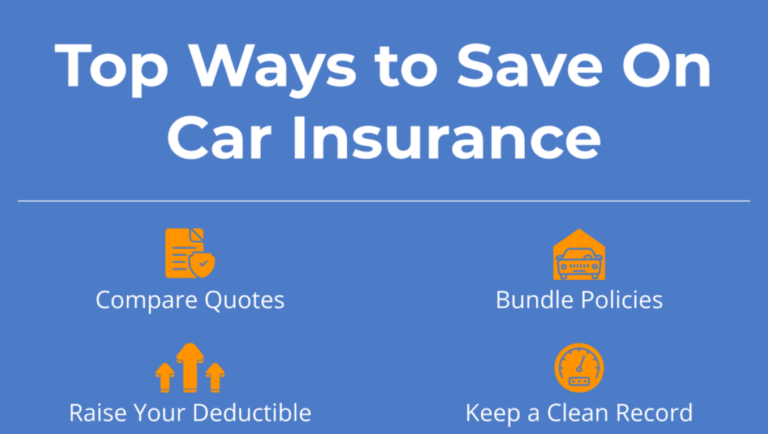
1. Bundle Policies
Combine auto + home insurance for discounts.
2. Increase Deductible (Carefully)
Higher deductible = lower monthly cost, but more out-of-pocket during claims.
3. Maintain a Clean Driving Record
Safe driving is the biggest long-term discount factor.
4. Compare Insurance Providers
Rates vary significantly between companies.
5. Ask for Discounts
You may qualify for:
- Good driver discounts
- Student discounts
- Low mileage discounts
Real-Life Example of Smart Coverage Choice
Let’s compare two drivers:
Driver A (Minimum Coverage Only)
- Pays low monthly premium
- Gets into an accident
- Faces $25,000 in damages not covered
- Financial stress follows
Driver B (Balanced Coverage)
- Pays slightly higher premium
- Accident happens
- Insurance covers repairs, medical bills, and liability
- Minimal financial impact
The difference is not just cost—it’s financial safety.
Final Thoughts: What You Really Need
Auto insurance isn’t about buying the cheapest plan—it’s about building the right protection for your life.
Here’s a simple breakdown:
- Always needed: Liability coverage
- Highly recommended: Collision + Comprehensive
- Important for most drivers: Uninsured motorist coverage
- Situational: PIP, MedPay, Gap insurance, add-ons
The best policy is one that protects both your car and your financial future without overpaying for unnecessary extras.
Understanding your coverage means you’re no longer just a policyholder—you’re an informed driver making smart financial decisions.