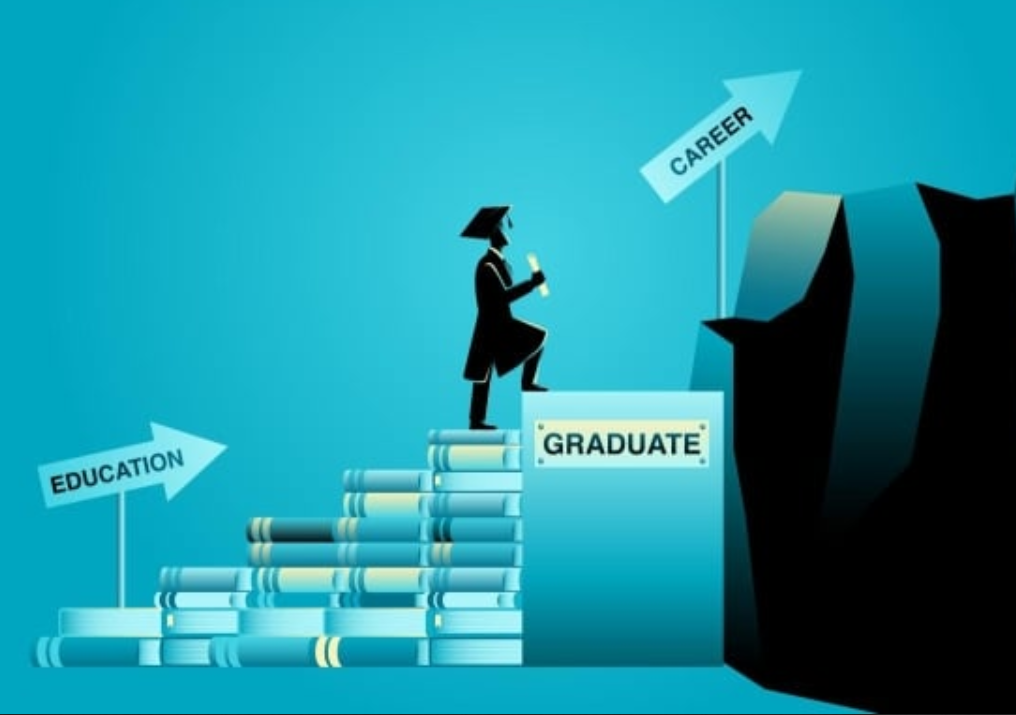
Higher education has long been viewed as a gateway to better career opportunities, higher earning potential, and long-term professional success. However, in today’s rapidly changing job market, simply earning a degree is no longer enough. Employers are increasingly looking for graduates who are not only academically qualified but also career-ready—equipped with practical skills, adaptability, and real-world experience.
Understanding the relationship between higher education and career readiness is essential for students who want to make informed decisions about their academic journey. This article explores what career readiness means, how higher education contributes to it, what skills students need, and how they can prepare effectively for the workforce.
What Is Career Readiness?
Career readiness refers to the set of skills, knowledge, and behaviors that enable individuals to transition successfully from education into the workforce and thrive in their chosen careers. It goes beyond academic knowledge and includes both technical and soft skills.
Key components of career readiness include:
- Critical thinking and problem-solving
- Communication skills
- Teamwork and collaboration
- Digital literacy
- Professionalism and work ethic
- Adaptability and flexibility
- Leadership and initiative
In essence, career readiness is about being prepared not just to get a job, but to succeed and grow in it.
The Role of Higher Education in Career Preparation
Higher education plays a crucial role in shaping career-ready graduates. Universities and colleges are not just places for academic learning—they are environments where students develop intellectual, social, and professional competencies.
1. Academic Knowledge and Technical Skills
One of the primary benefits of higher education is the acquisition of specialized knowledge. Whether a student studies engineering, business, healthcare, or arts, their program provides the foundational technical skills required in their field.
For example:
- Engineering students learn design principles and problem-solving methodologies
- Business students study management, finance, and marketing
- Healthcare students gain clinical and scientific knowledge
These technical skills form the backbone of career readiness.
2. Development of Critical Thinking
Higher education encourages students to analyze information, evaluate arguments, and solve complex problems. This critical thinking ability is essential in almost every career field.
Employers value individuals who can:
- Identify problems independently
- Evaluate multiple solutions
- Make informed decisions under pressure
3. Exposure to Real-World Applications
Many universities now integrate internships, cooperative education programs, and project-based learning into their curriculum. These experiences allow students to apply classroom knowledge in real-world settings.
Such exposure helps students:
- Understand workplace expectations
- Gain industry experience
- Build professional networks
The Skills Employers Expect from Graduates
Modern employers are looking for more than just academic excellence. They want well-rounded individuals who can contribute to organizational success from day one.
1. Communication Skills
Clear and effective communication is one of the most important workplace skills. Graduates must be able to:
- Write professional emails and reports
- Present ideas confidently
- Communicate across diverse teams
2. Teamwork and Collaboration
Most modern workplaces rely on teamwork. Students must learn how to:
- Work effectively in group settings
- Respect diverse opinions
- Contribute to shared goals
3. Digital and Technological Literacy
In the digital age, almost every job requires some level of technology use. Career-ready graduates should be comfortable with:
- Office software and productivity tools
- Online communication platforms
- Industry-specific digital tools
4. Problem-Solving Skills
Employers highly value individuals who can think critically and solve problems efficiently. This includes:
- Identifying issues quickly
- Developing practical solutions
- Implementing effective strategies
5. Adaptability and Flexibility
The modern job market is constantly evolving. Students must be prepared to:
- Learn new skills continuously
- Adapt to changing environments
- Embrace new technologies and methods
The Gap Between Education and Employment
Despite the benefits of higher education, many graduates struggle to transition into the workforce. This issue is often referred to as the “skills gap.”
Why Does the Skills Gap Exist?
There are several reasons:
- Academic programs may focus too heavily on theory
- Limited practical training opportunities
- Rapid changes in industry requirements
- Lack of career guidance for students
As a result, some graduates find themselves academically qualified but not job-ready.
How Students Can Improve Career Readiness
Students play an active role in preparing themselves for their future careers. Here are several strategies to bridge the gap between education and employment.
1. Participate in Internships
Internships are one of the most effective ways to gain real-world experience. They allow students to:
- Apply theoretical knowledge
- Develop workplace skills
- Build professional networks
2. Develop Soft Skills Early
Soft skills are just as important as academic knowledge. Students should actively work on:
- Communication
- Leadership
- Time management
- Emotional intelligence
3. Engage in Extracurricular Activities
Clubs, organizations, and volunteer work help students build valuable skills outside the classroom, such as:
- Teamwork
- Leadership experience
- Organizational skills
4. Build a Professional Network
Networking is essential for career success. Students can:
- Attend career fairs
- Connect with alumni
- Use professional platforms like LinkedIn
5. Seek Career Counseling
Many universities offer career services that help students:
- Choose the right career path
- Prepare resumes and cover letters
- Practice interview skills
The Importance of Lifelong Learning
Career readiness does not end at graduation. In fact, it is just the beginning. Lifelong learning is essential in today’s fast-changing world.
Professionals must continuously:
- Update their skills
- Take online courses
- Attend workshops and seminars
- Stay informed about industry trends
Employers value individuals who show a commitment to continuous improvement.
How Universities Are Evolving
To address the growing demand for career-ready graduates, many universities are adapting their teaching methods.
1. Industry Collaboration
Universities are partnering with companies to ensure their curriculum aligns with industry needs. This includes:
- Guest lectures from professionals
- Internship programs
- Industry-based projects
2. Skill-Based Learning
More institutions are shifting from purely theoretical teaching to skill-based education, focusing on:
- Practical assignments
- Case studies
- Real-world simulations
3. Career Integration Programs
Some universities now embed career development directly into academic programs, offering:
- Resume workshops
- Interview preparation sessions
- Career planning courses
The Role of Technology in Career Readiness
Technology is transforming the way students prepare for careers. Online learning platforms, virtual internships, and digital certifications are becoming increasingly popular.
Benefits of Technology in Education
- Access to global learning resources
- Flexible learning schedules
- Opportunities for remote internships
- Development of digital skills
Students who embrace technology gain a significant advantage in the job market.
Global Job Market Trends
Understanding global employment trends can help students prepare better for their careers.
1. Rise of Remote Work
Remote work has become more common, requiring skills such as:
- Self-discipline
- Digital communication
- Time management
2. Demand for STEM Careers
Science, technology, engineering, and mathematics (STEM) fields continue to grow rapidly, offering high-paying job opportunities.
3. Importance of Soft Skills
Despite technological advancement, soft skills remain critical in all industries.
Challenges Students Face in Career Preparation
While higher education provides many opportunities, students still face several challenges:
- Lack of practical experience
- Financial constraints
- Limited access to internships
- Unclear career direction
- Rapidly changing job requirements
Recognizing these challenges is the first step toward overcoming them.
Tips for Students to Stay Competitive
To stay competitive in the job market, students should:
- Start career planning early
- Gain real-world experience during studies
- Build both technical and soft skills
- Stay updated with industry trends
- Be proactive in seeking opportunities
Conclusion
Higher education plays a vital role in preparing students for their future careers, but it is only part of the equation. Career readiness requires a combination of academic knowledge, practical experience, and essential soft skills.
Students who actively engage in internships, develop communication and problem-solving abilities, and embrace lifelong learning are far more likely to succeed in today’s competitive job market.
Ultimately, the goal of higher education is not just to produce graduates, but to produce capable professionals who are ready to contribute meaningfully to society and the global workforce.
By understanding what career readiness truly means and taking proactive steps during their studies, students can bridge the gap between education and employment—and build successful, fulfilling careers.