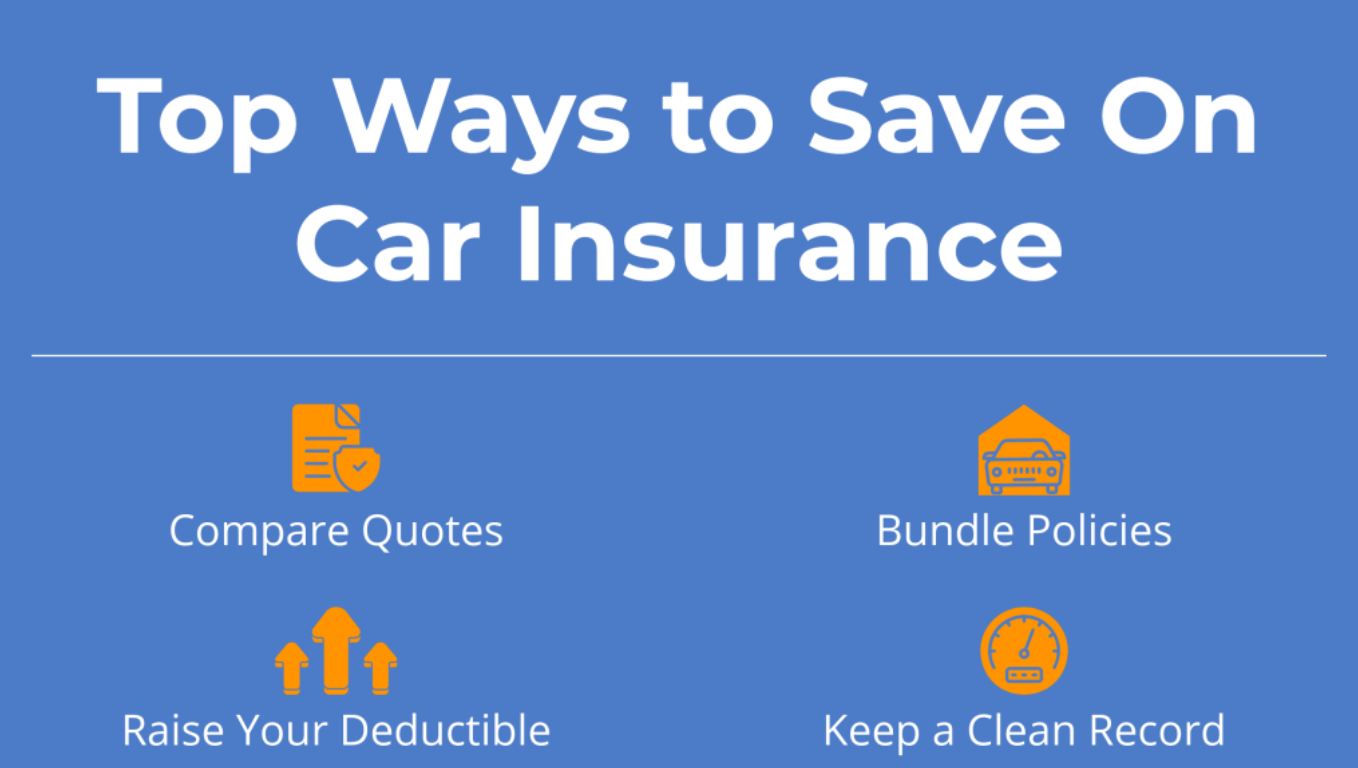
In today’s economy, finding ways to reduce expenses without sacrificing essential protection is more important than ever. One of the smartest and most effective strategies to save money on insurance is bundling—combining multiple policies under one provider. If you own a car, chances are you also have other insurance needs such as home, renters, or life insurance. Bundling these policies together can unlock significant discounts and simplify your financial life.
In this comprehensive guide, we’ll explore everything you need to know about bundling auto insurance, how it works, its benefits, potential drawbacks, and expert strategies to maximize your savings.
What Does It Mean to Bundle Auto Insurance?
Bundling auto insurance refers to purchasing multiple insurance policies from the same provider. Instead of buying your auto insurance from one company and your home or renters insurance from another, you combine them into a single package.
Common Types of Bundled Policies:
- Auto + Home insurance
- Auto + Renters insurance
- Auto + Life insurance
- Auto + Motorcycle or other vehicle insurance
Insurance companies reward this loyalty by offering multi-policy discounts, often referred to as “bundling discounts.”
Why Insurance Companies Offer Bundling Discounts
You might wonder why insurers are willing to reduce your premium when you bundle policies.
Key Reasons:
- Customer Retention
Customers with multiple policies are less likely to switch providers. - Administrative Efficiency
Managing multiple policies for one customer reduces operational costs. - Increased Revenue Stability
Bundled customers generate more consistent income for insurers.
Because of these benefits, insurers pass some of the savings on to you in the form of discounts.
How Much Can You Save by Bundling?
The amount you can save depends on several factors, including the insurer, your location, and the types of policies you bundle.
Typical Savings:
- 10% to 25% on premiums
- Higher discounts for larger bundles
Example:
If you pay $1,200 annually for auto insurance and $1,000 for home insurance, bundling could save you $200–$500 per year.
Key Benefits of Bundling Auto Insurance
Bundling offers more than just cost savings. Let’s explore the major advantages.
1. Lower Premiums
The most obvious benefit is reduced insurance costs.
Why It Matters:
- Immediate financial relief
- Long-term savings
- Better budget management
2. Simplified Insurance Management
Managing multiple policies with different providers can be confusing.
With Bundling:
- One provider
- One account
- One renewal date
This simplicity makes it easier to track payments and coverage.
3. Improved Customer Service
When all your policies are with one insurer, resolving issues becomes more efficient.
Benefits:
- Faster claims processing
- Single point of contact
- Better customer support
4. Enhanced Coverage Options
Some insurers offer additional perks for bundled customers.
Examples:
- Lower deductibles
- Expanded coverage options
- Loyalty rewards
5. Increased Policy Flexibility
Bundling can provide more flexibility when customizing your coverage.
Why:
Insurers may be more willing to adjust policies for long-term, multi-policy customers.
Types of Insurance You Can Bundle
While auto insurance is often the starting point, there are several other policies you can combine.
Auto + Home Insurance
This is the most popular bundle.
Why It’s Common:
- Homeowners already need property coverage
- High discount potential
- Comprehensive protection
Auto + Renters Insurance
Ideal for those who don’t own a home.
Benefits:
- Protects personal belongings
- Affordable add-on
- Easy to manage
Auto + Life Insurance
A less common but valuable bundle.
Advantages:
- Long-term financial security
- Potential discounts
- Simplified financial planning
Auto + Multiple Vehicles
If you own more than one car, insuring them under the same policy can lead to significant savings.
Factors That Affect Bundling Savings
Not all bundles are created equal. Several factors influence how much you save.
1. Your Driving Record
A clean driving record enhances your eligibility for discounts.
2. Property Value
Higher-value homes may result in larger bundling discounts.
3. Location
Insurance rates and discounts vary by region.
4. Coverage Levels
The type and amount of coverage you choose affect your total premium and discount.
When Bundling Might Not Be the Best Option
While bundling is often beneficial, it’s not always the cheapest choice.
1. Specialized Coverage Needs
Some insurers specialize in certain types of insurance and may offer better standalone rates.
2. Limited Provider Options
Not all insurers offer competitive rates across all policy types.
3. Hidden Costs
Sometimes, a bundle may appear cheaper but include unnecessary coverage.
Pro Tip:
Always compare bundled and separate quotes before making a decision.
How to Bundle Auto Insurance Successfully
To get the most out of bundling, follow these proven steps.
Step 1: Evaluate Your Insurance Needs
Start by identifying all the types of coverage you require.
Ask Yourself:
- Do I own or rent my home?
- Do I need life insurance?
- Do I have multiple vehicles?
Step 2: Shop Around
Don’t settle for the first offer.
Compare:
- Multiple insurance providers
- Bundled vs. separate pricing
- Coverage options
Step 3: Ask About Discounts
Not all discounts are advertised.
Common Discounts:
- Multi-policy discount
- Safe driver discount
- Loyalty discount
Step 4: Customize Your Coverage
Avoid paying for coverage you don’t need.
Tip:
Work with an agent to tailor your policies.
Step 5: Review Annually
Your insurance needs may change over time.
Why Review:
- Ensure competitive pricing
- Adjust coverage as needed
- Maintain optimal savings
Common Mistakes to Avoid When Bundling
1. Focusing Only on Price
Cheaper isn’t always better. Ensure your coverage is adequate.
2. Ignoring Policy Details
Always read the fine print.
3. Not Comparing Options
Failing to shop around can lead to missed savings.
4. Over-Insuring
Avoid unnecessary add-ons that increase costs.
Bundling vs. Individual Policies: Which Is Better?
Bundling Advantages:
- Lower overall cost
- Simpler management
- Better customer experience
Individual Policies Advantages:
- More flexibility
- Access to specialized providers
- Potentially better coverage options
Conclusion:
Bundling is ideal for most people, but it’s important to evaluate your specific needs.
How Technology Is Changing Insurance Bundling
Modern technology has transformed how insurance bundles are offered and managed.
Digital Platforms:
- Online quotes
- Policy comparisons
- Instant bundling options
Benefits:
- Faster decision-making
- Greater transparency
- Improved user experience
Real-Life Example of Bundling Savings
Let’s consider a practical scenario:
Without Bundling:
- Auto insurance: $1,200/year
- Home insurance: $1,000/year
- Total: $2,200/year
With Bundling (20% discount):
- Total: $1,760/year
Annual Savings:
$440
Over five years, that’s $2,200 in savings.
Tips to Maximize Your Bundling Savings
1. Maintain a Good Credit Score
In many regions, better credit can lead to lower premiums.
2. Increase Deductibles
Higher deductibles can reduce your premium.
3. Stay Loyal (But Not Blindly)
Long-term customers often receive better discounts—but still compare rates periodically.
4. Combine with Other Discounts
Stack bundling with safe driver or low-mileage discounts.
5. Work with an Insurance Agent
Agents can help identify the best bundling opportunities.
Frequently Asked Questions
Is bundling always cheaper?
Not always. It depends on the provider and your specific needs.
Can I bundle policies later?
Yes, you can bundle at any time, even after purchasing separate policies.
Will bundling affect claims?
No, but it can simplify the claims process.
Can I switch providers after bundling?
Yes, but check for cancellation fees.
Final Thoughts
Bundling auto insurance is one of the most effective ways to save money while simplifying your insurance management. By combining multiple policies under one provider, you can unlock significant discounts, improve customer service, and streamline your financial responsibilities.
However, bundling is not a one-size-fits-all solution. The key to success lies in understanding your needs, comparing options, and choosing the right provider that offers both value and protection.
With the right approach, bundling can become a powerful tool in your financial strategy—helping you save money today while ensuring comprehensive coverage for the future.